Outfit edits / Capsule & basics
Building a travel capsule wardrobe around your real itinerary
A travel capsule wardrobe is not just packing light — it is building a small system where every piece earns its carry-on space by working across multiple days and different situations on your trip. The itinerary you actually have, not the idealized one, is where the planning has to start.
Three rules
Start here.
- Write the itinerary first, pack second: list every specific day and its activity type, then assign clothes to those days rather than packing a general selection and hoping it works out.
- Every bottom must work with every top in your bag. This is non-negotiable in a travel capsule because you have no backup wardrobe to fix a pairing that does not work — test all combinations on your bed before you zip the bag.
- Choose shoes last and choose the minimum: shoes are the heaviest and least flexible pieces in a travel bag. Work backward from your most demanding shoe need — usually walking comfort — and see how many other situations that one pair can also handle before adding a second.
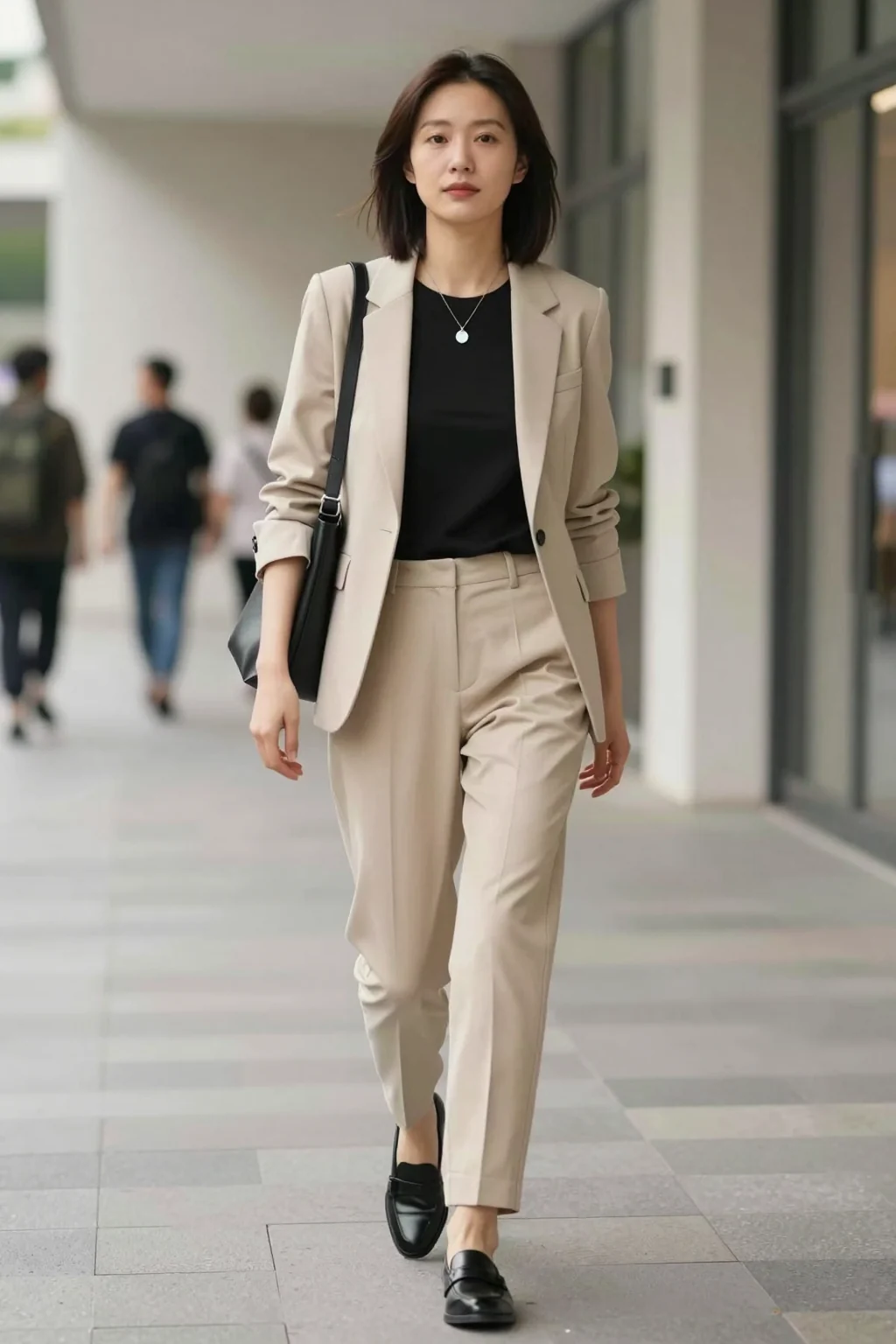
A styling reference, not a product photo.
What defines it
The basics
A travel capsule wardrobe is a carefully chosen set of clothes planned specifically for one trip or a category of trips you take regularly. Unlike an everyday capsule, it is defined by hard constraints: weight limits, washing access, and the specific activities on your itinerary.
The biggest mistake travelers make is packing for imaginary days instead of real ones. Write your itinerary down and categorize each day: active sightseeing days on foot, restaurant evenings, beach afternoons, transit days sitting for hours, casual exploration mornings. Each category has different demands. A full walking day needs comfortable shoes and breathable clothes that handle sweat. A nice restaurant evening needs one slightly dressier outfit. A beach day needs cover-ups and a swimsuit.
Washing access changes the entire equation of how many pieces you need. If your accommodation has a washing machine, you can pack dramatically less — even for a two-week trip — because you can do a midpoint wash. If you are moving hotels every two days, handwashing in a sink becomes your primary option, which means you need fabrics that dry fast and smell-resist longer between washes.
Repeatable combinations
Formulas to try
- The three-bottom, six-top rule
- For trips of seven to ten days with laundry access mid-trip or sink-washing available, three bottoms and six tops generate enough combinations to cover every day differently. The bottoms should span casual and slightly dressed: one comfortable walking pant or short, one versatile mid-length skirt or jean, one neutral trouser or chino. The tops should include two tanks, two fitted tees, one loose blouse, and one lightweight layer that doubles as a top.
- The one-outfit upgrade
- Every travel capsule needs exactly one dressier outfit for the nicest situation on your trip — a good restaurant, a wedding reception, a cultural venue with a dress code. This outfit should be buildable from pieces that also work in casual combinations. A silk or satin slip dress layered under the lightweight blouse you already packed works for evenings; remove the layer and wear slip over shorts for a beach afternoon.
- The transit day formula
- Long travel days — airport, train, bus — need their own combination that prioritizes physical comfort without looking disheveled at the other end. A loose straight-leg pull-on pant in a wrinkle-resistant fabric, a soft fitted layer, and your most comfortable shoe is the formula. This same combination often works as a casual exploration outfit the next morning, so your transit clothes are not wasted space. Choose dark or mid-tone colors for transit days so minor spills are invisible.
- The active-day kit
- If your trip includes hiking, cycling, heavy sightseeing, or beach days, those activities need specific clothes that the rest of your capsule does not cover. Pack one complete active kit — moisture-wicking top, shorts or leggings, activity-appropriate shoes — and treat it as a standalone unit within your capsule. On non-active days, those pieces stay folded. On active days, they take over completely.
- The sink-wash survival formula
- For trips without easy laundry access, fabric choice determines your real outfit count. Merino wool, cotton-modal blend, and quick-dry technical fabrics handwash and dry overnight in most conditions in warm weather — always check your actual care label first. Pack two to three of your most-worn tops in these fabrics specifically, rotate them through sink washes on alternate nights, and they keep up with your pace.
Your needs, your plans
Before you buy
- Climate transitions
- Trips that move between climates — coastal to mountain, hot city to cool countryside — need layering pieces rather than separate warm and cool wardrobes. Pack pieces that layer well together rather than two separate sets of clothes for two temperatures. A light packable jacket, a medium-weight knit, and breathable base layers cover a wider temperature range than two specialized sets at higher total weight.
- Dress code research
- Research specific dress codes before you finalize your pack list. Many religious sites, upscale restaurants, and beach clubs have real dress restrictions that your default travel outfit may not meet. A long lightweight scarf or wrap that packs flat often solves shoulder or leg coverage requirements without adding a dedicated outfit — it earns its place by being the solution to a real constraint you know is coming.
- Bag type affects outfit choice
- How you carry your clothes changes what you can pack. A carry-on rolling bag gives you more folding space and handles delicate items more safely. A backpack requires you to roll everything and punishes bulky shoes and structured garments. Know your bag type before choosing fabrics and silhouettes — a structured blazer makes sense in a rolling case and becomes a frustrating wrinkled mass inside a pack.
- Repeat outfit acceptance
- You will wear items more than once. Normalize this with yourself before the trip so you are not tempted to overpack on day one to avoid it. Repeating bottoms frequently and rotating tops is invisible to most people you encounter, especially in tourist contexts where you are unlikely to see the same strangers twice. Outfit repeats are not a social risk; overpacking and checked bag fees are real costs.
From what you own
Build it and repeat it
Begin your travel capsule by writing a day-by-day itinerary in plain language — not detailed plans, just activity categories. Day one: long flight. Day two: city walking and a nice dinner. Day three: beach. Day four: hiking. Day five: casual exploration and evening drinks. Then assign a specific outfit to each day using only pieces you are considering packing.
Once you have a working list, do a physical test pack three days before your trip. Put everything in the actual bag you are bringing and see what it looks like. Try to zip it. Try to lift it. Take out the things that felt optional when you were assigning outfits and see whether the remaining pieces still cover every day.
Shop the pieces
6 capsule & basics pieces
Links open similar items, not the pictured ones.
-
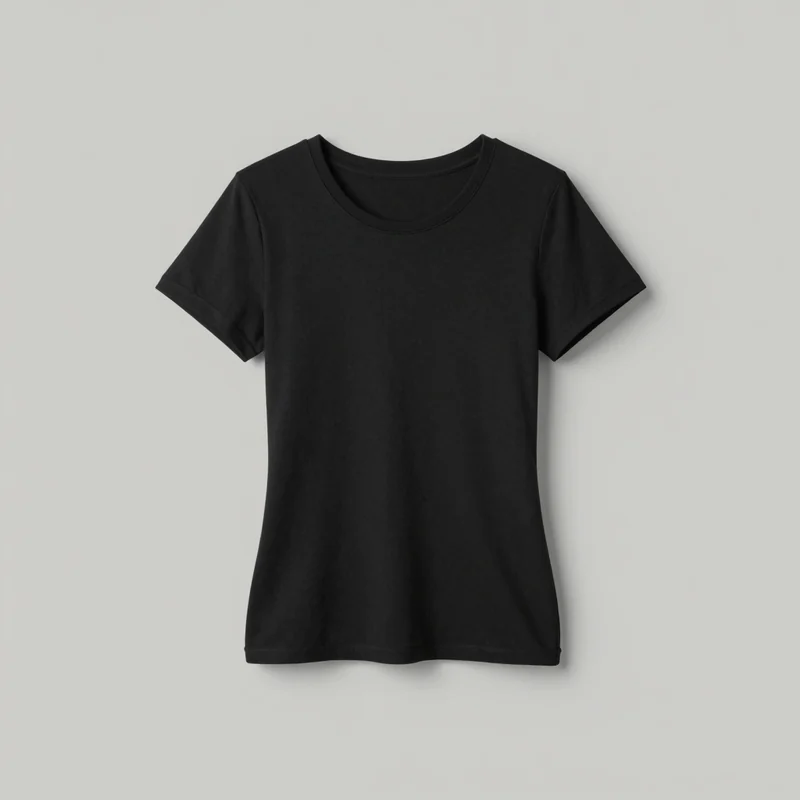
Women black crewneck t shirt
What to check
Browse black crewneck T-shirts. Compare the neckline, hem, fabric and measurements; the generated tee is not an exact listed product.
-
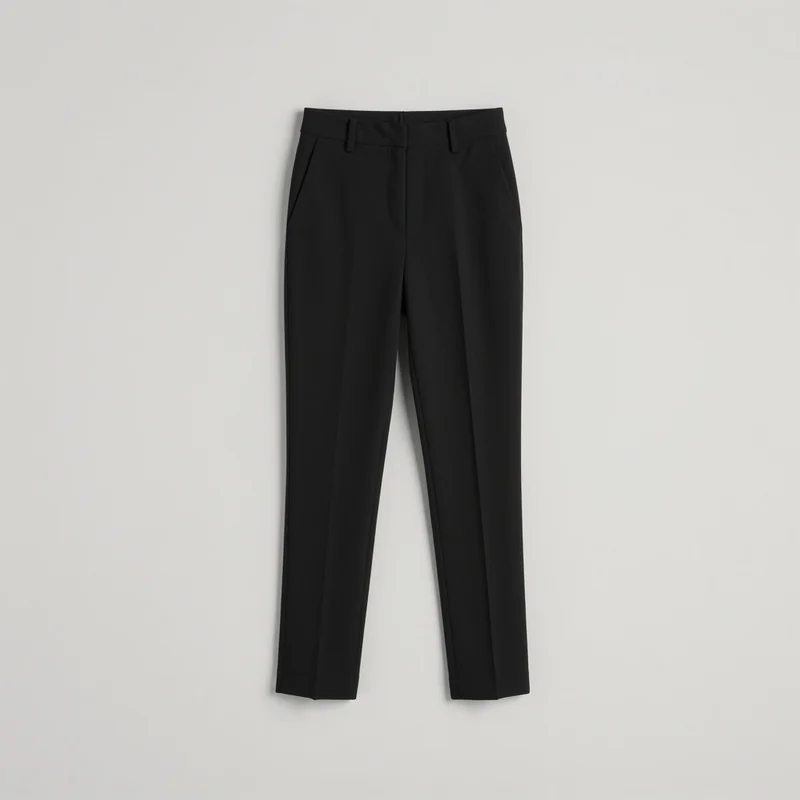
Women black tailored trousers
What to check
Browse black tailored trousers. Compare waistband, cut, fabric and inseam; cargo and track trousers serve different roles.
-
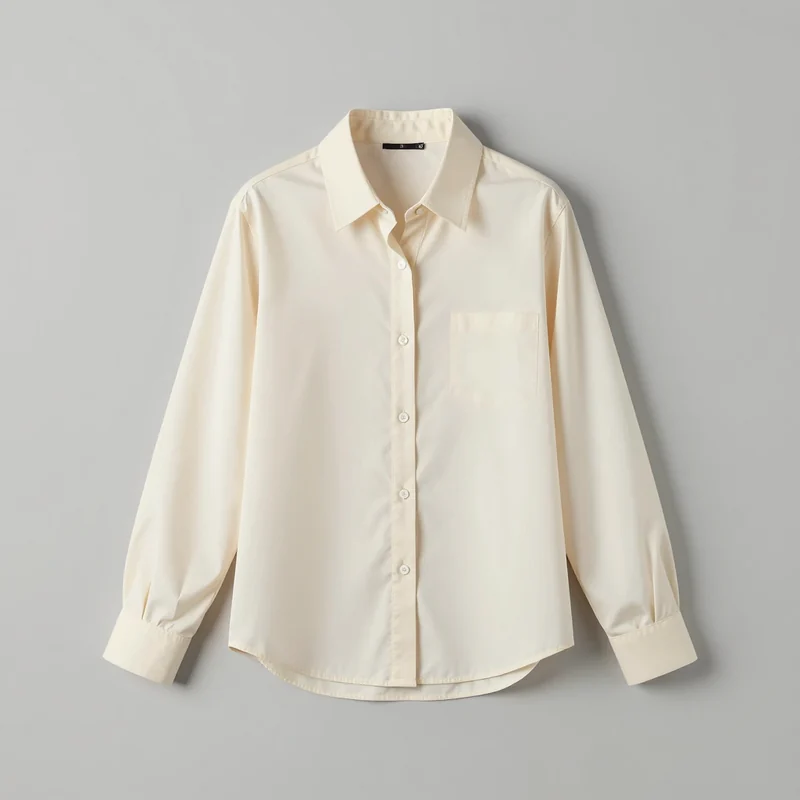
Women ivory button up shirt
What to check
Browse ivory button-up shirts. Compare actual shade, collar, hem and fabric opacity; the pictured garment is generated inspiration.
-
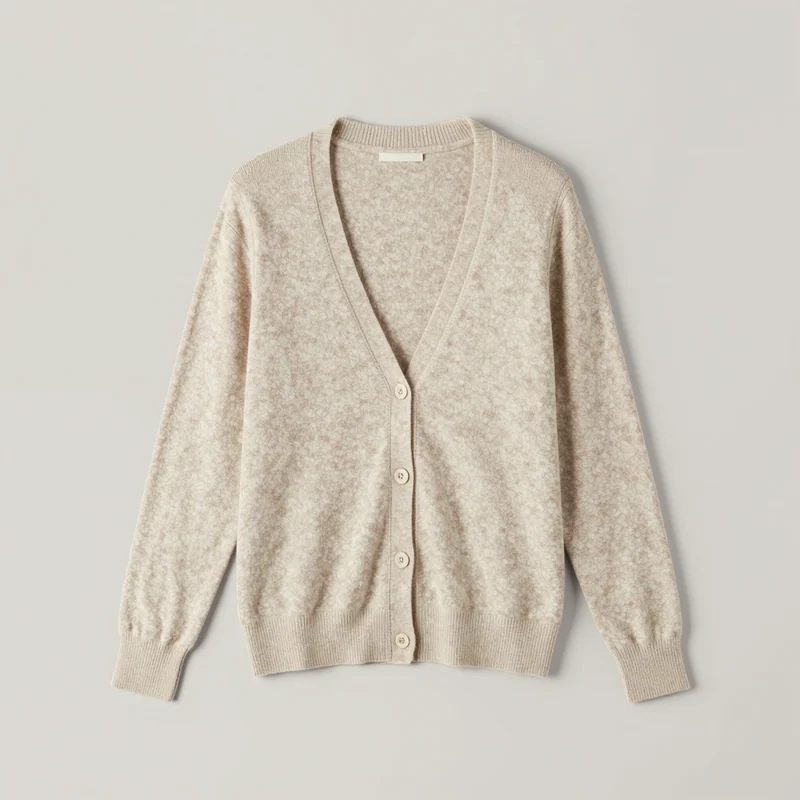
Women oatmeal cardigan
What to check
Browse oatmeal cardigans. Compare knit, length, opening and care; choose the garment for your intended layers.
-
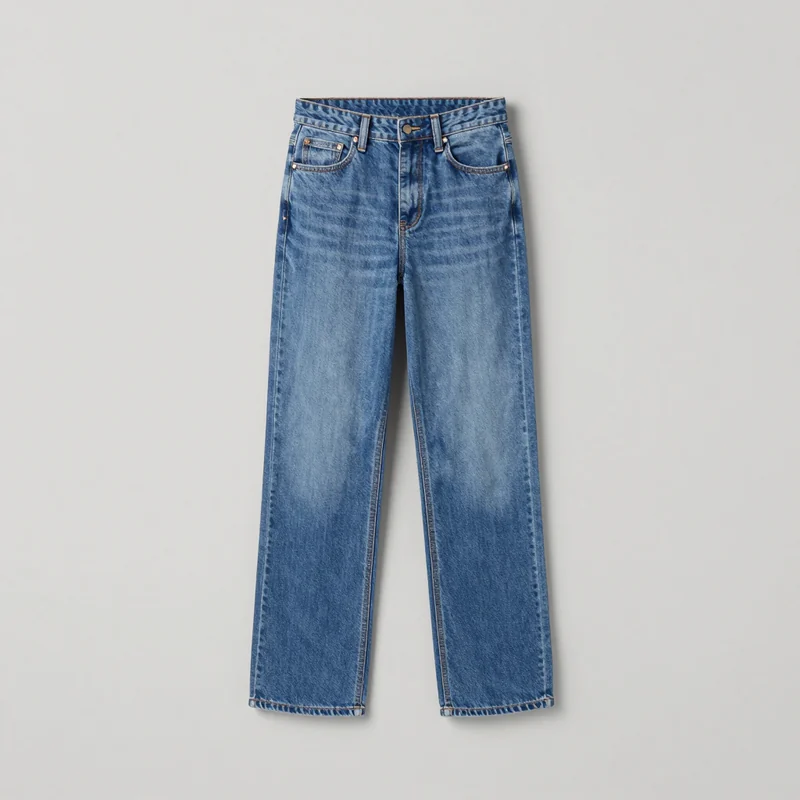
Women straight leg blue jeans
What to check
Browse straight-leg blue jeans. Compare rise, inseam, leg opening and the size chart; the image does not establish fit.
-
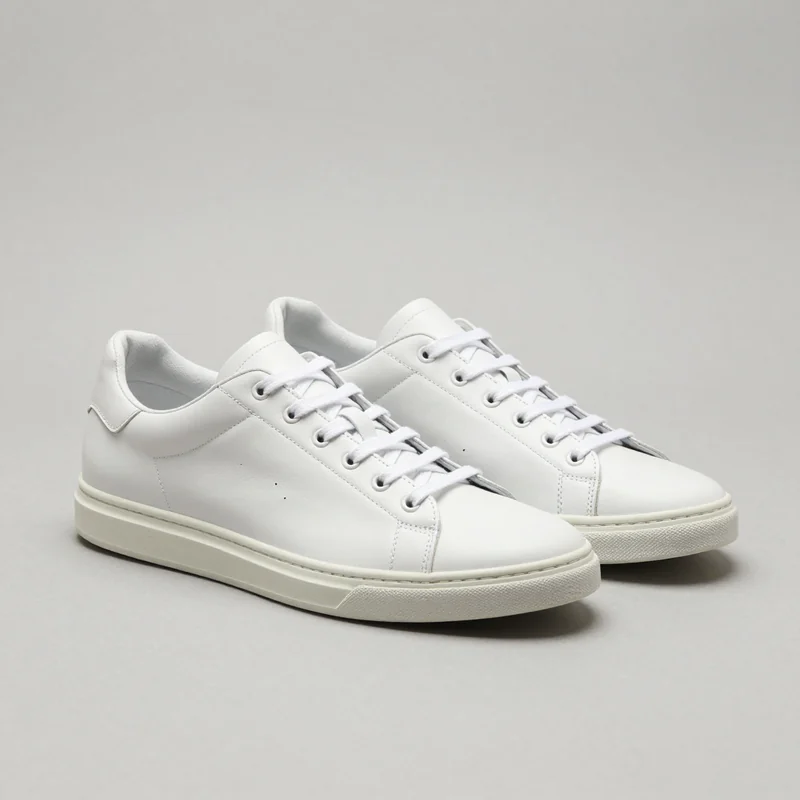
Women white low top sneakers
What to check
Browse white low-top sneakers. Compare actual fit, sole and shape; these are alternatives to the generated shoes.
The gallery
20 capsule & basics looks
Open a look to see its pieces.
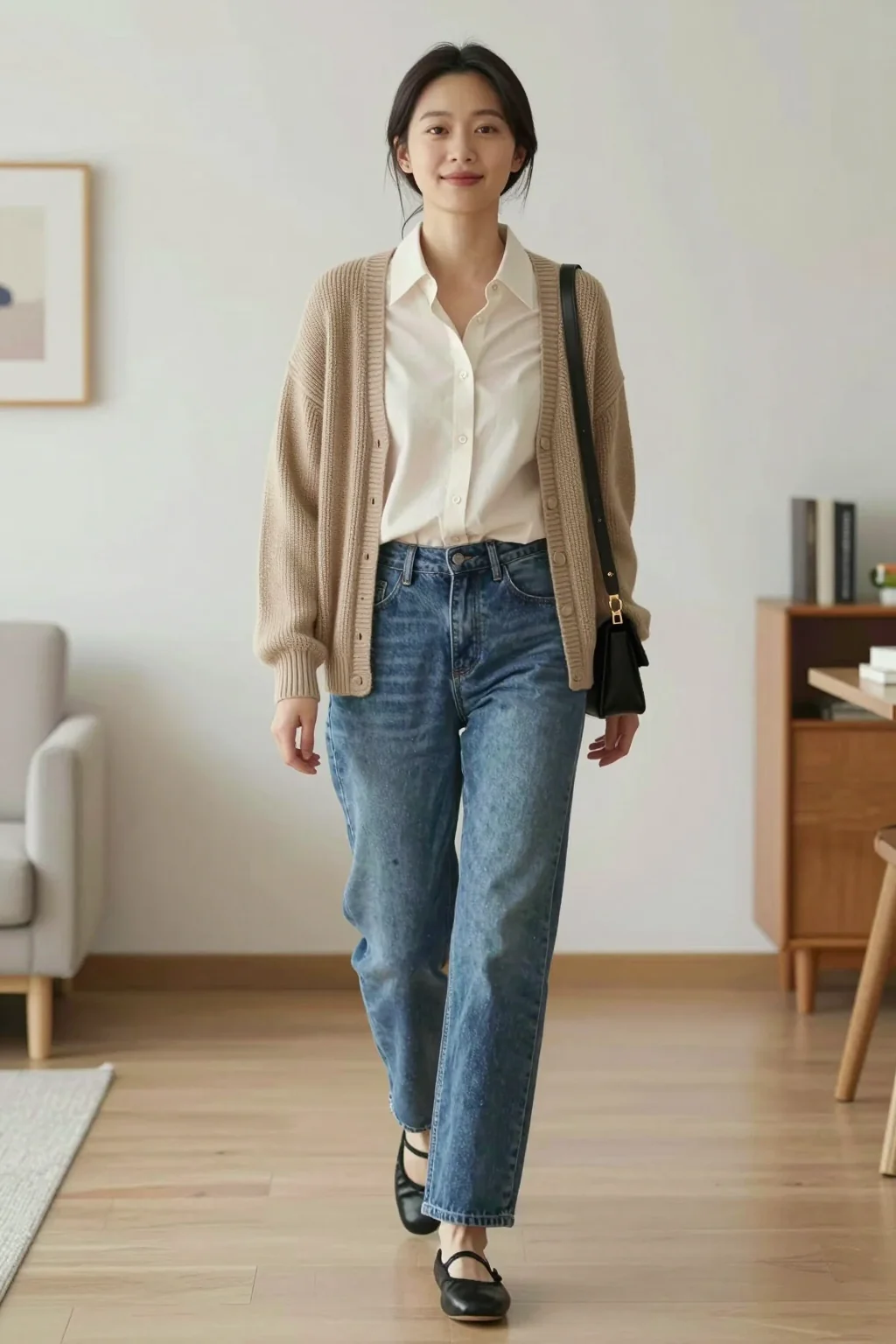 Capsule Wardrobe
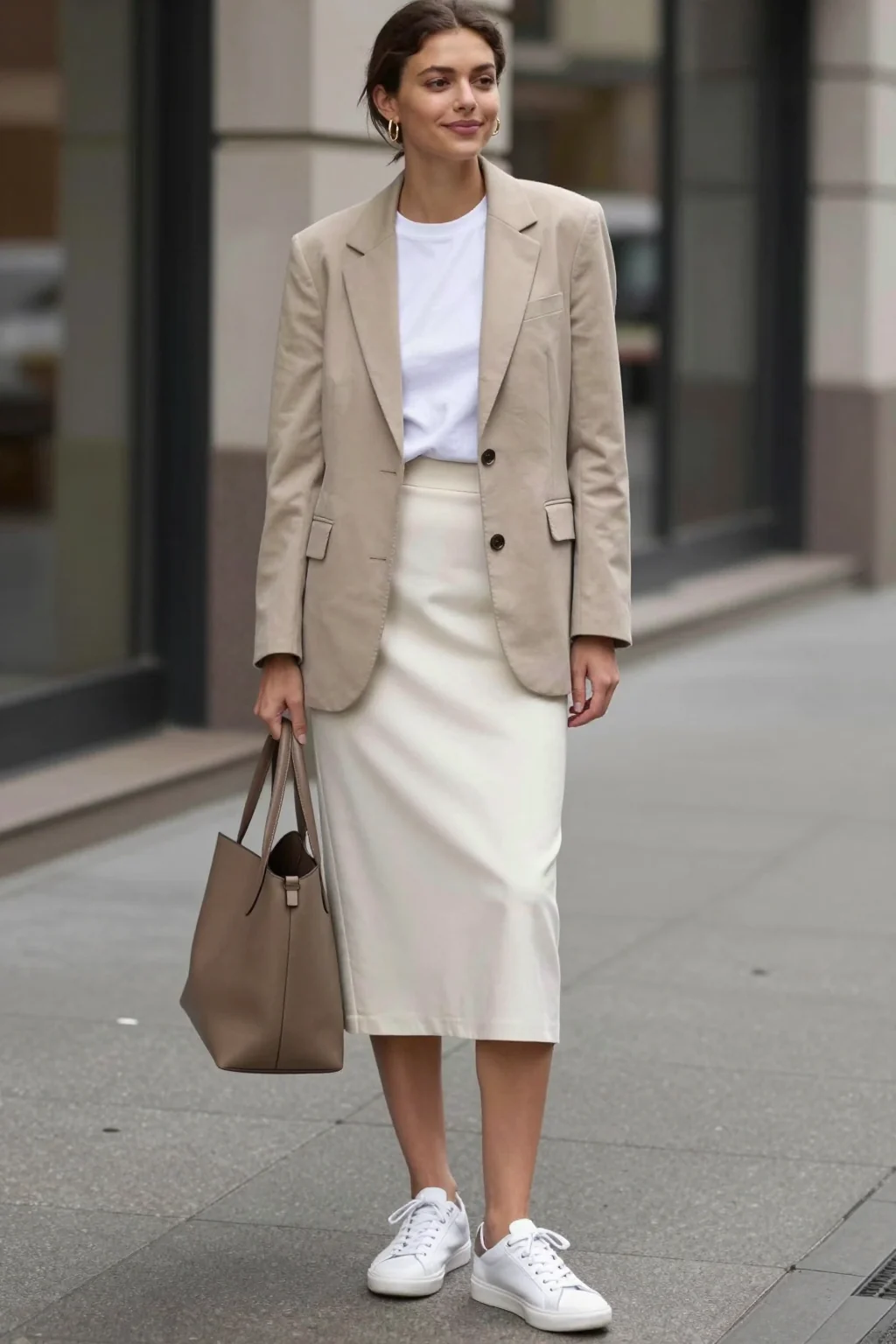 Old Money Outfits Women
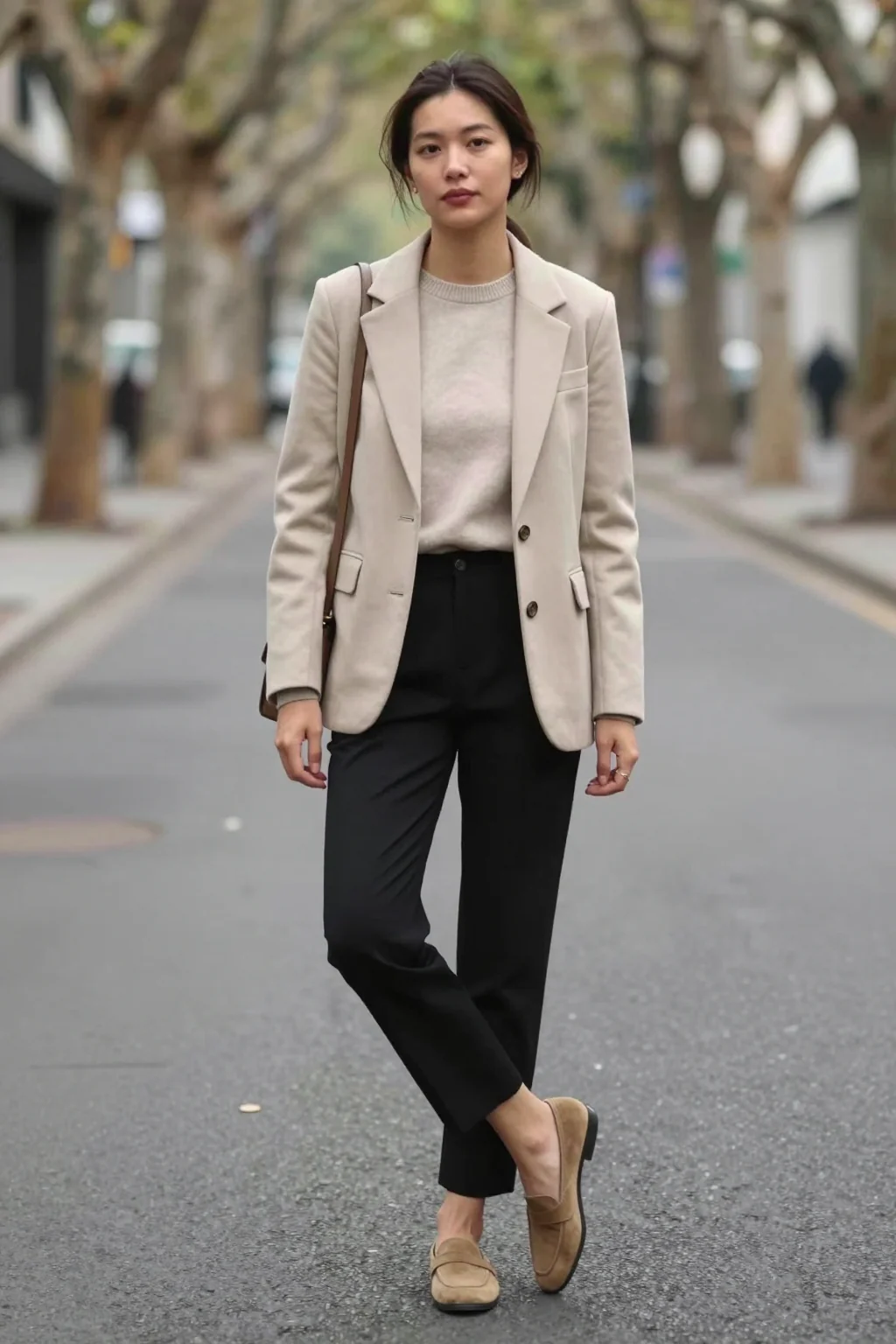 Fall Capsule Wardrobe
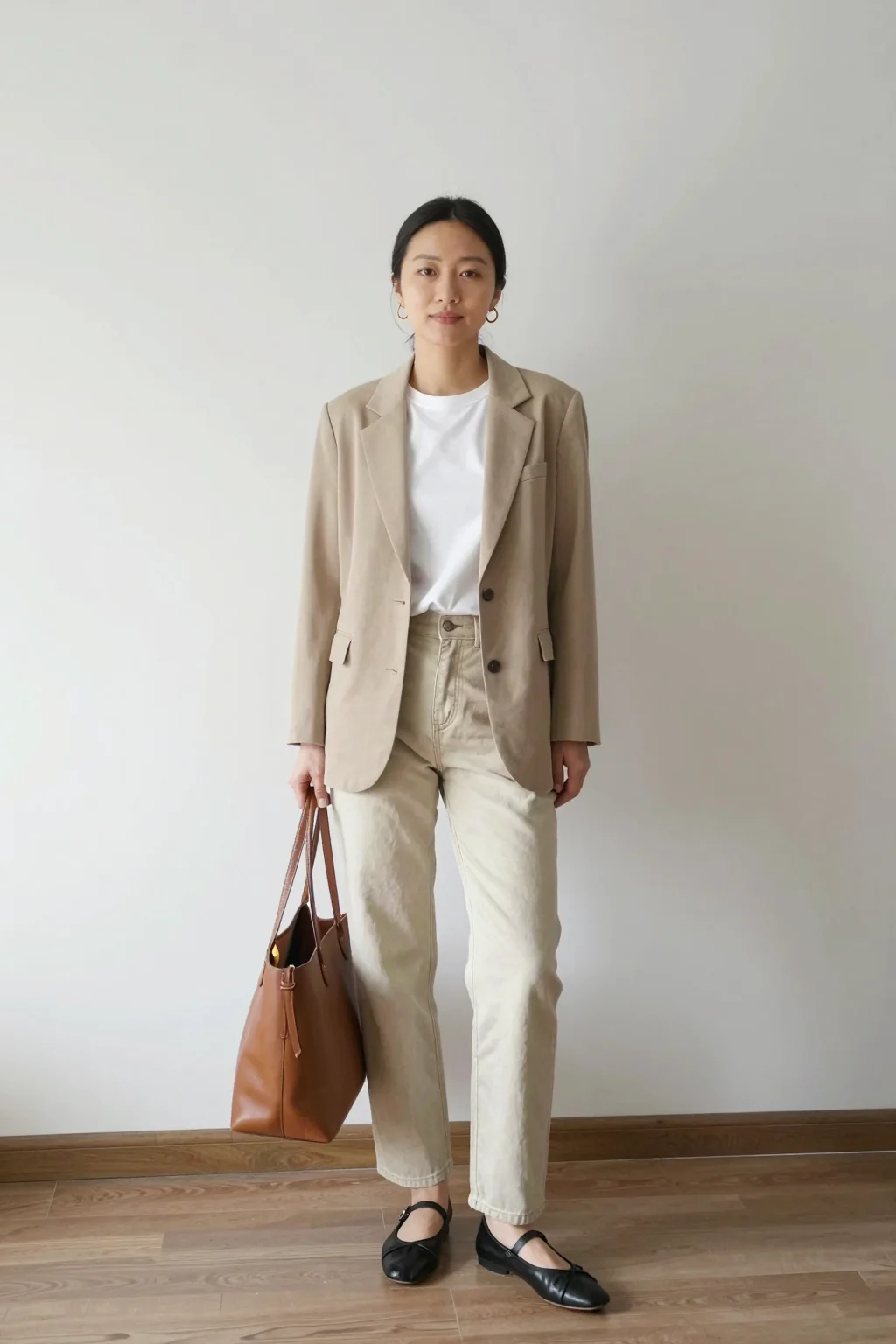 Spring Capsule Wardrobe
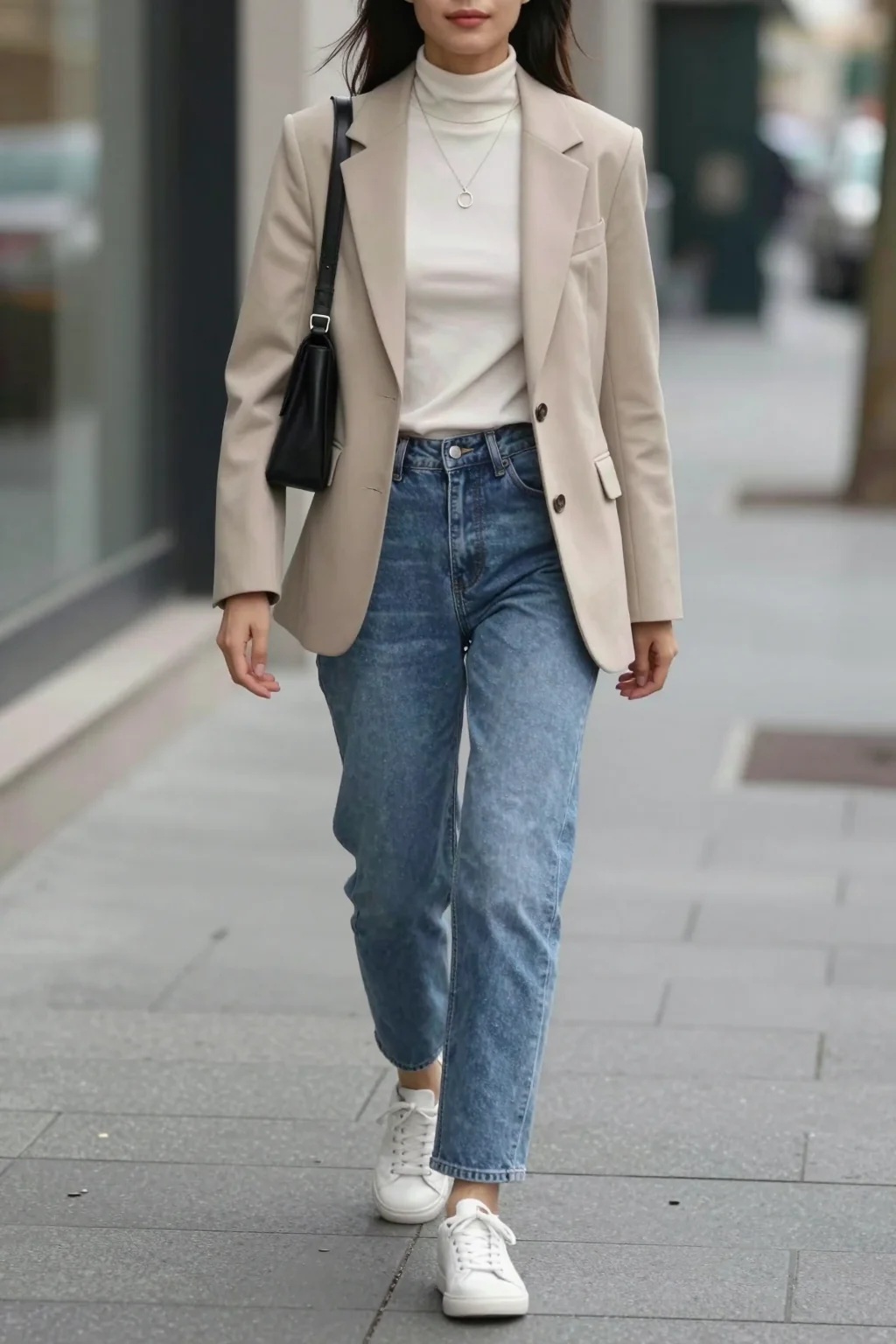 Fashion Capsule Wardrobe
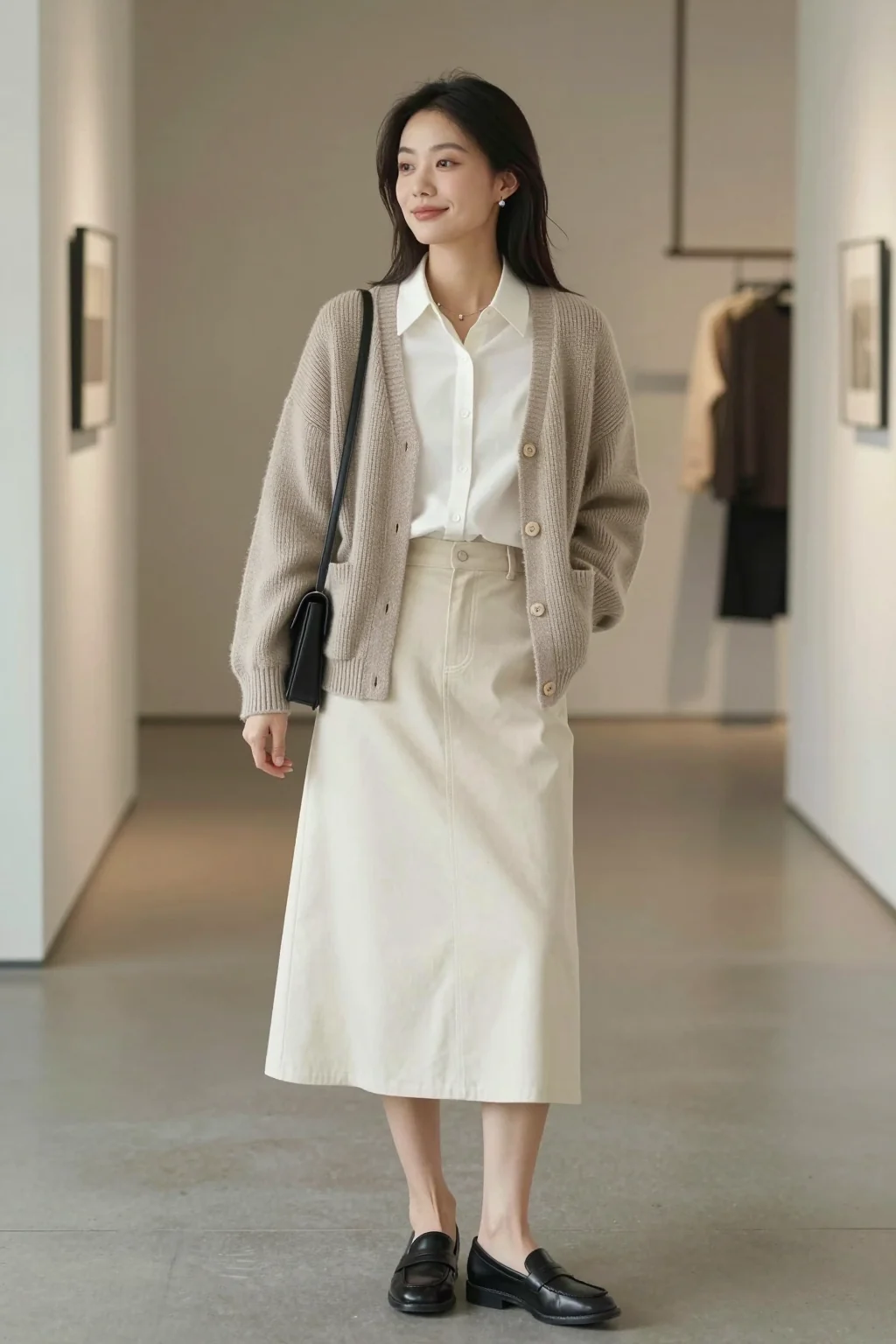 Travel Capsule Wardrobe
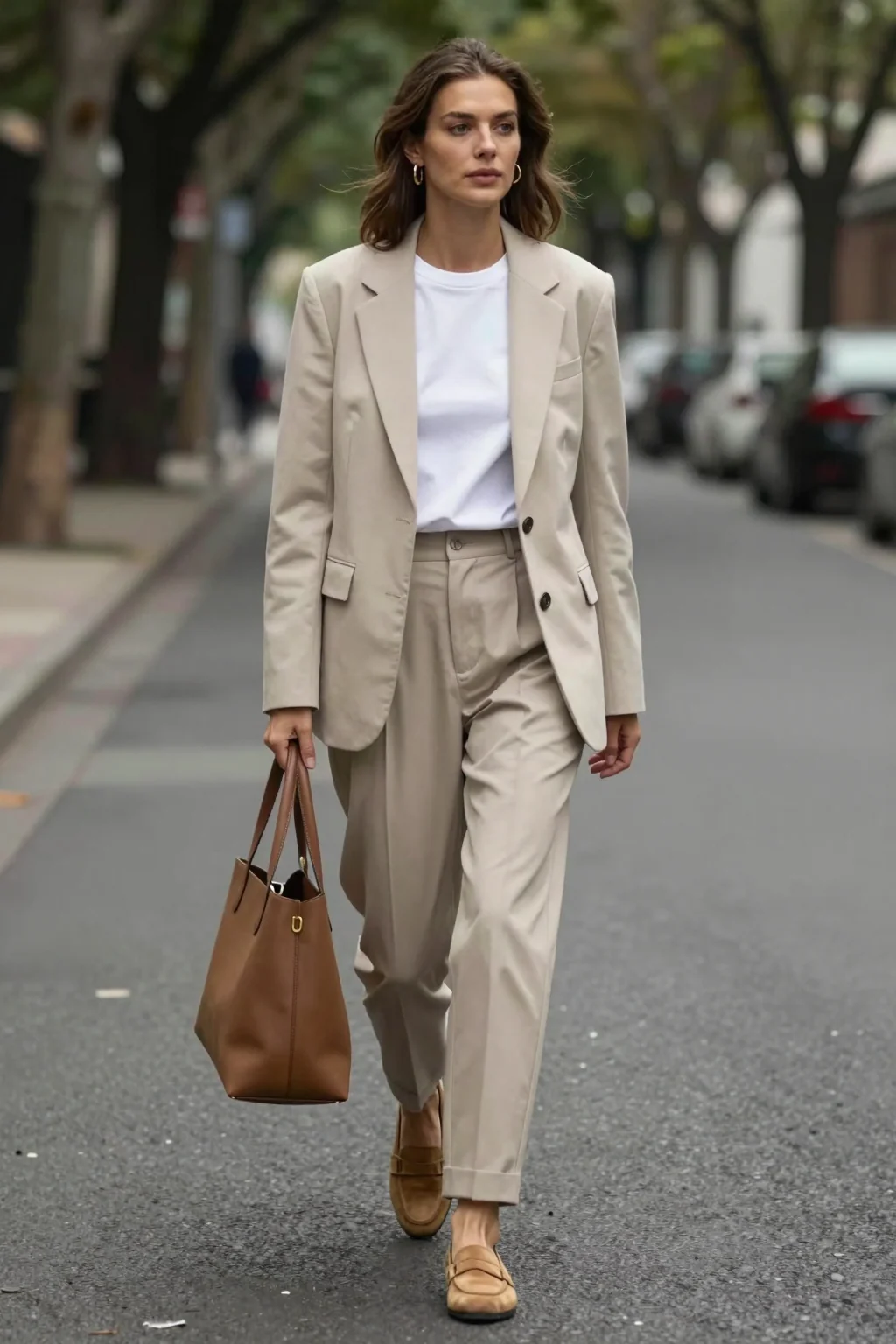 Autumn Capsule Wardrobe
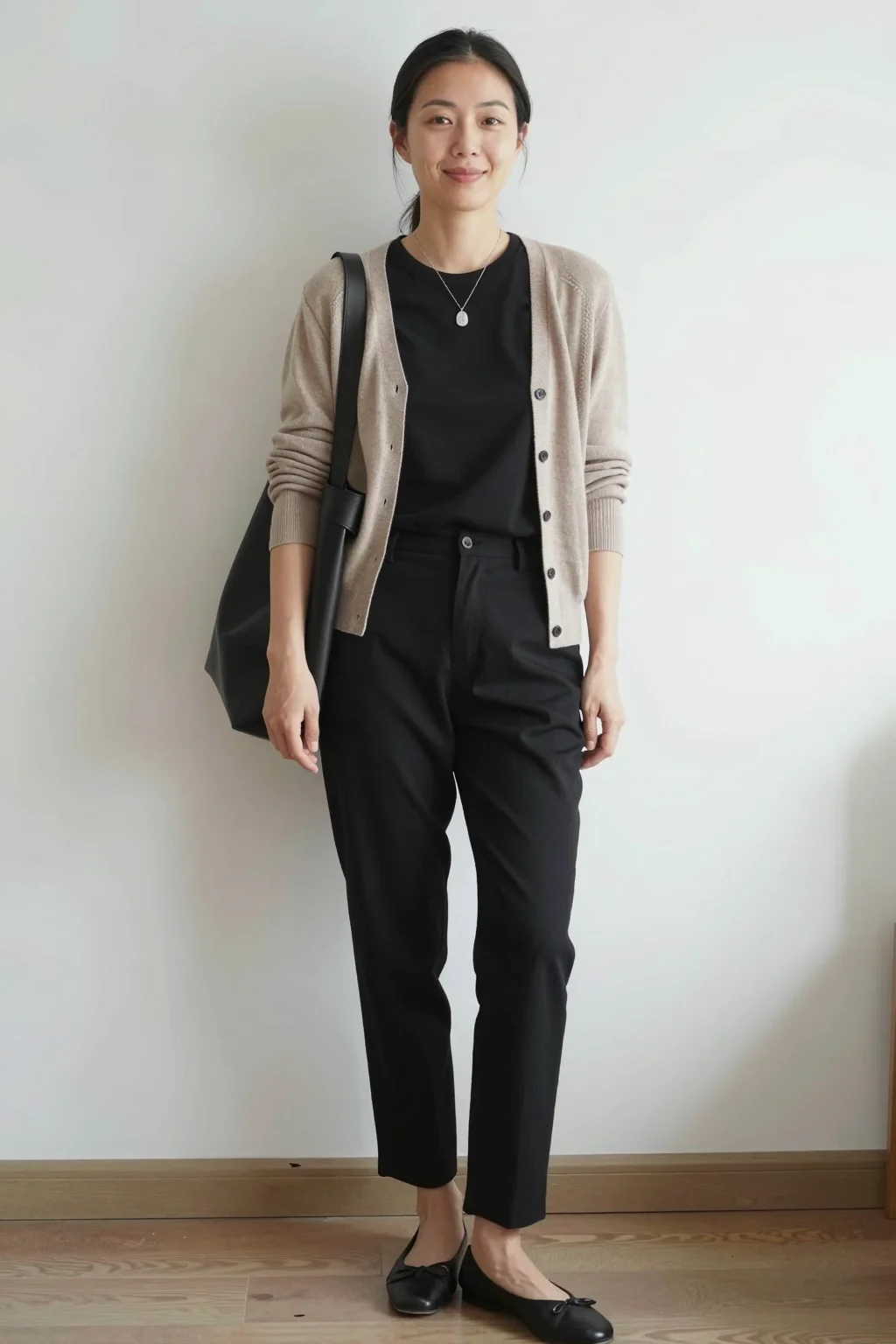 Old Money Capsule Wardrobe
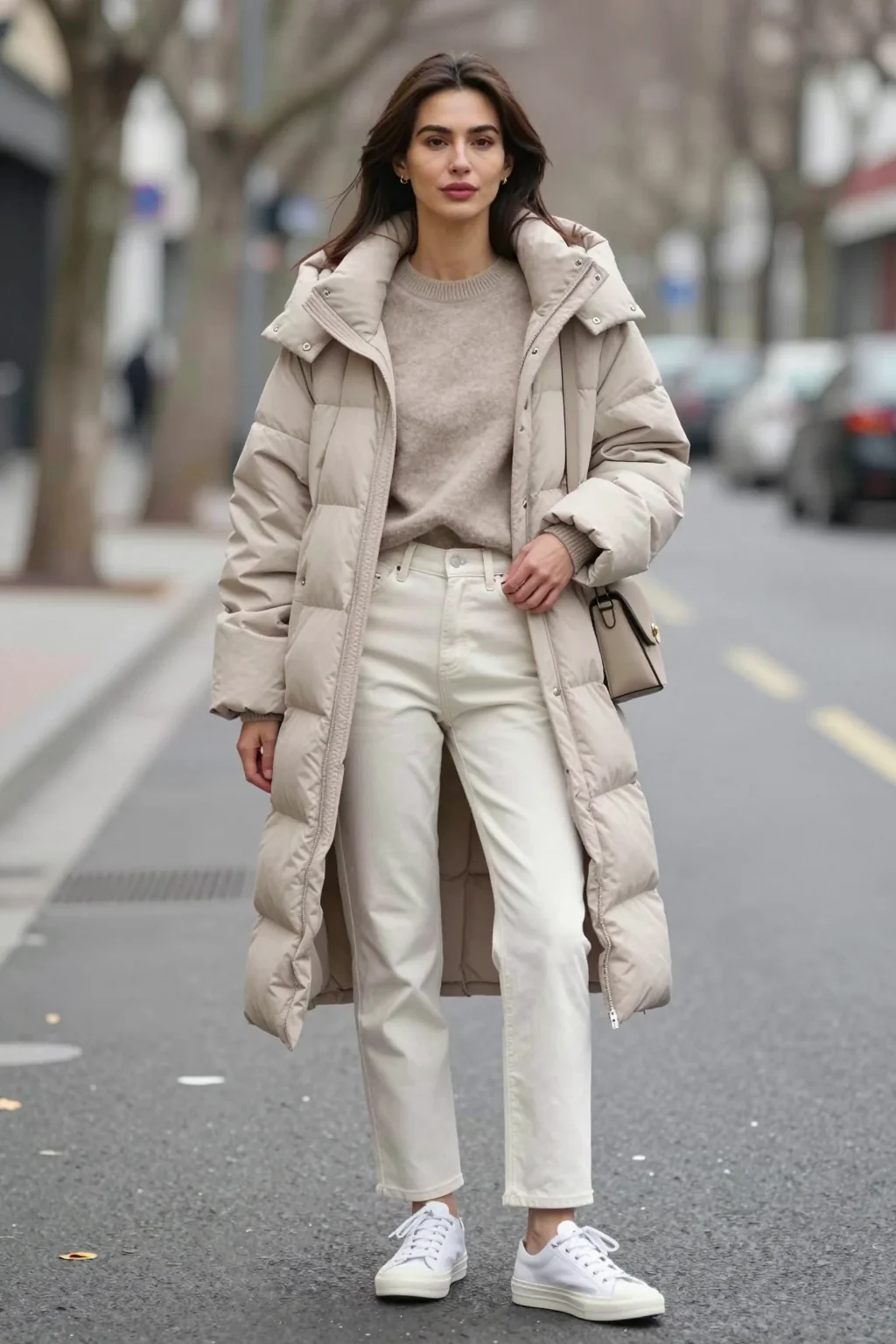 Capsule Wardrobe Winter
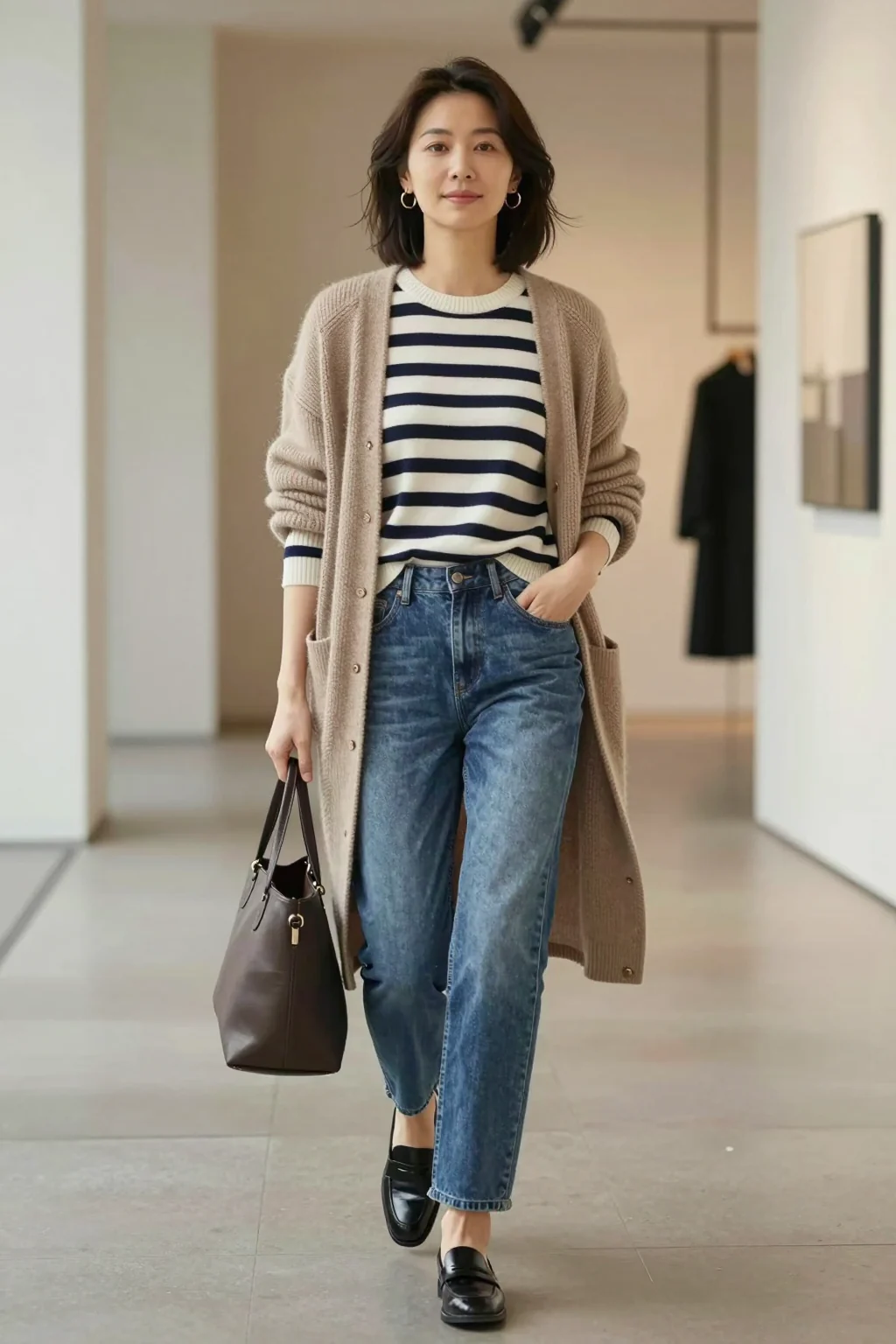 Work Capsule Wardrobe
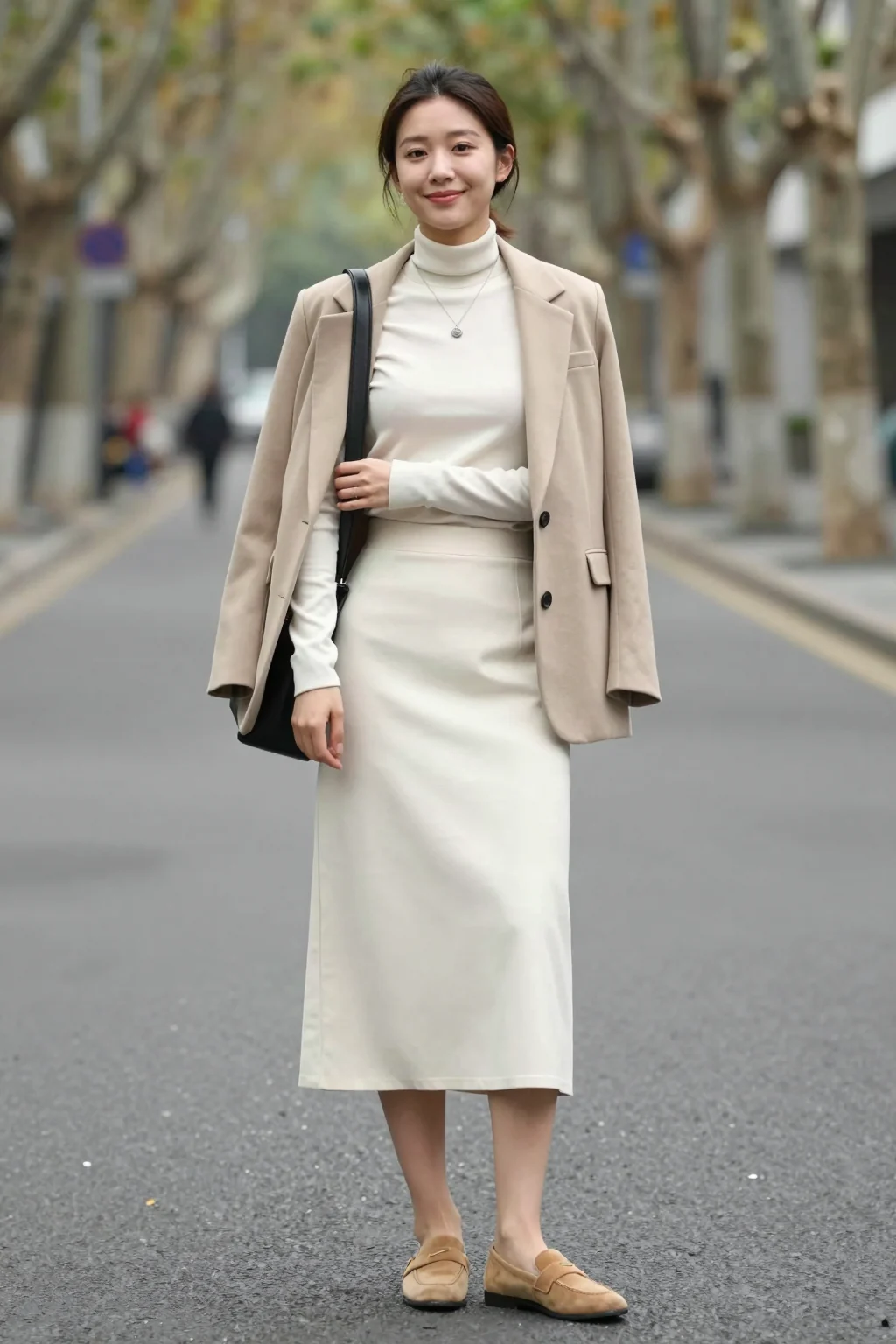 Capsule Wardrobe Checklist
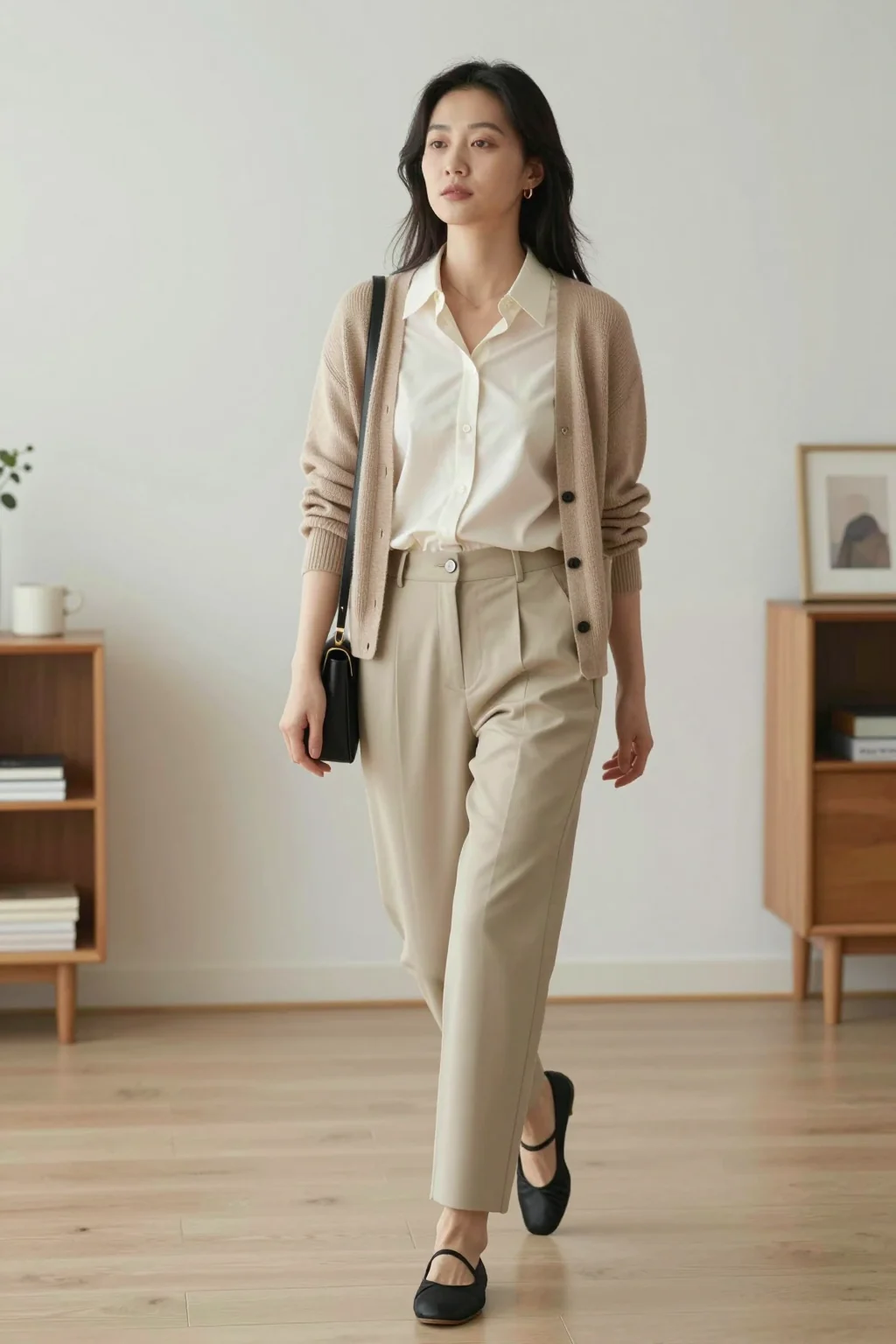 Soft Summer Capsule Wardrobe
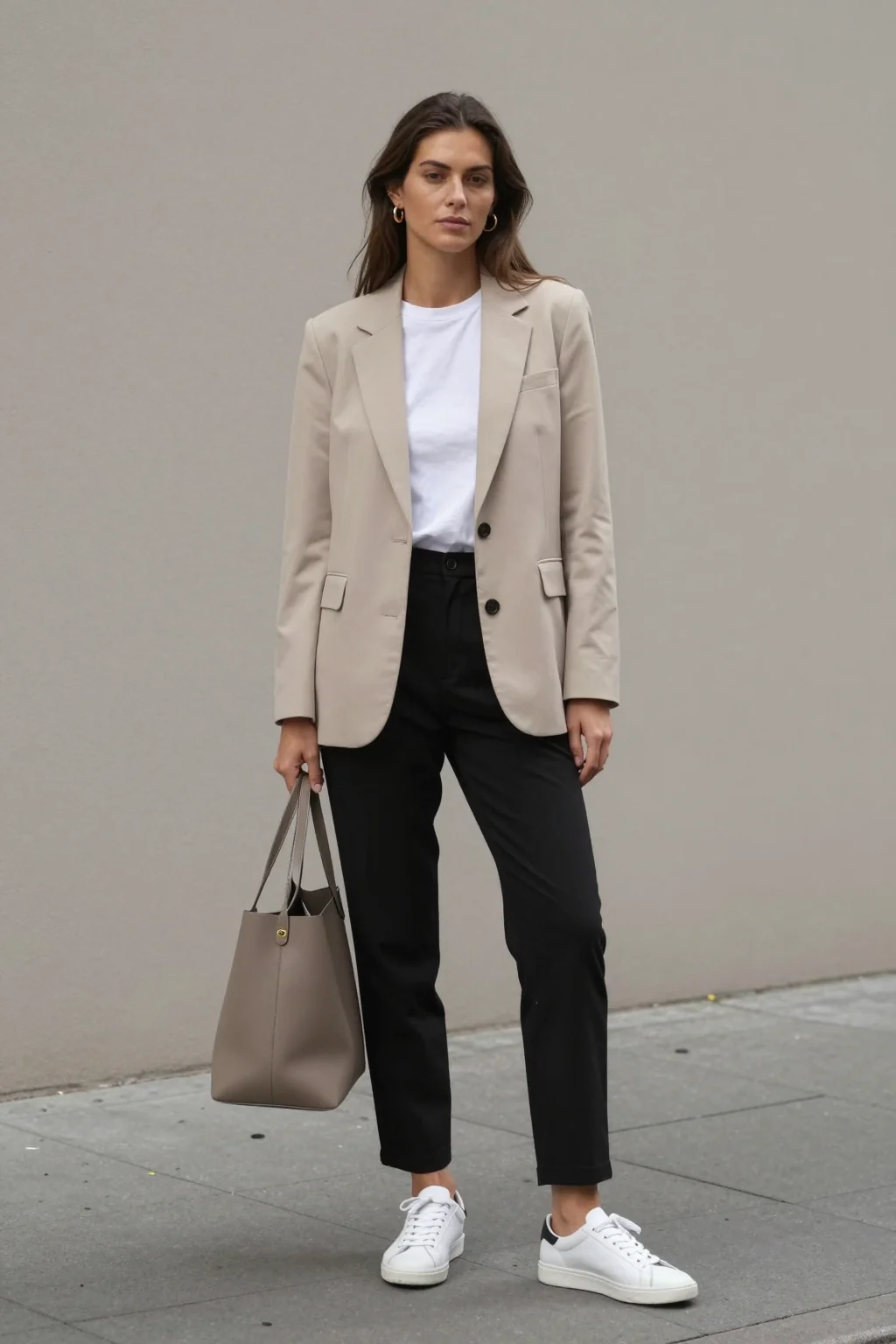 Timeless Capsule Wardrobe
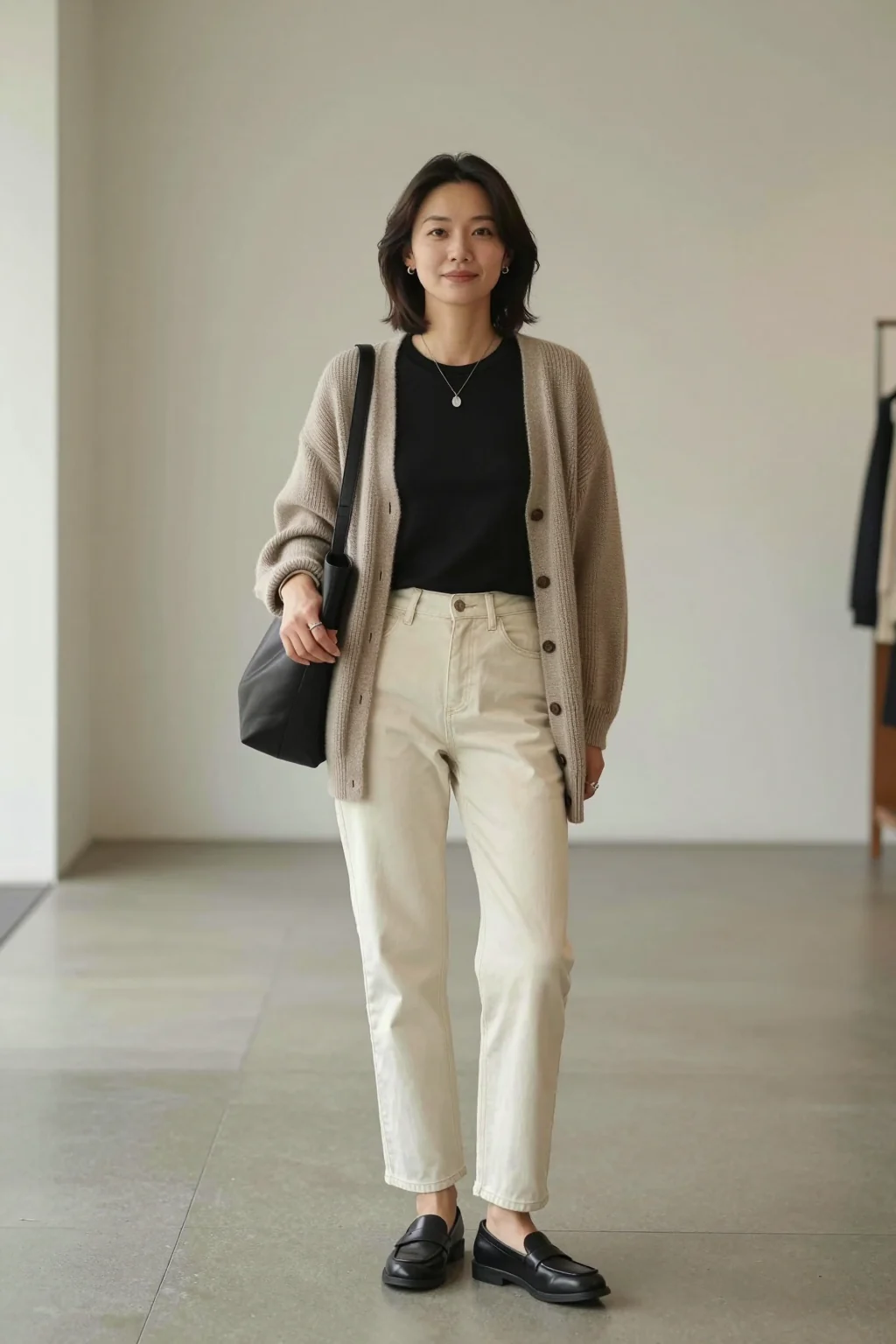 Soft Autumn Capsule Wardrobe
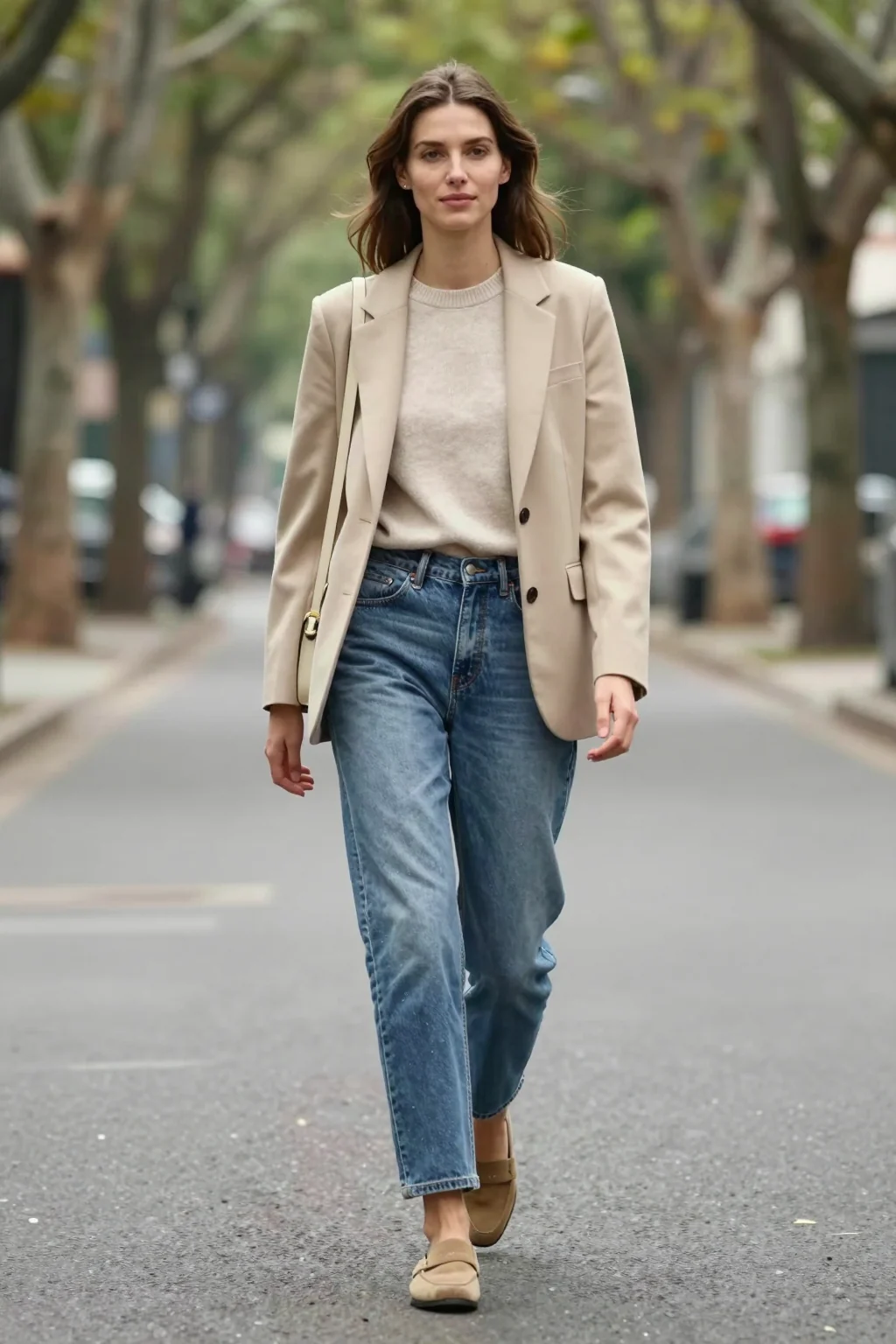 True Summer Capsule Wardrobe
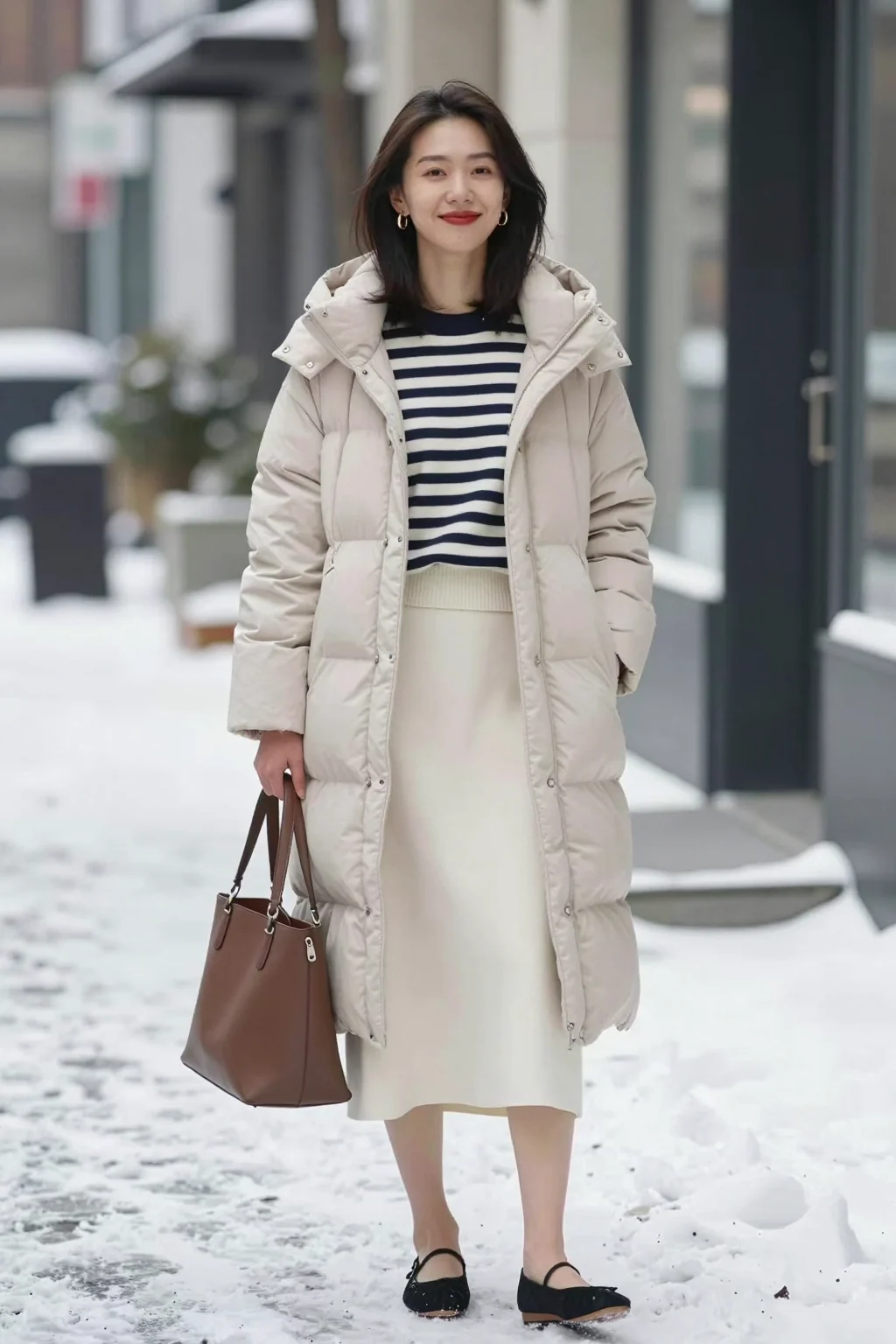 Winter Travel Capsule Wardrobe
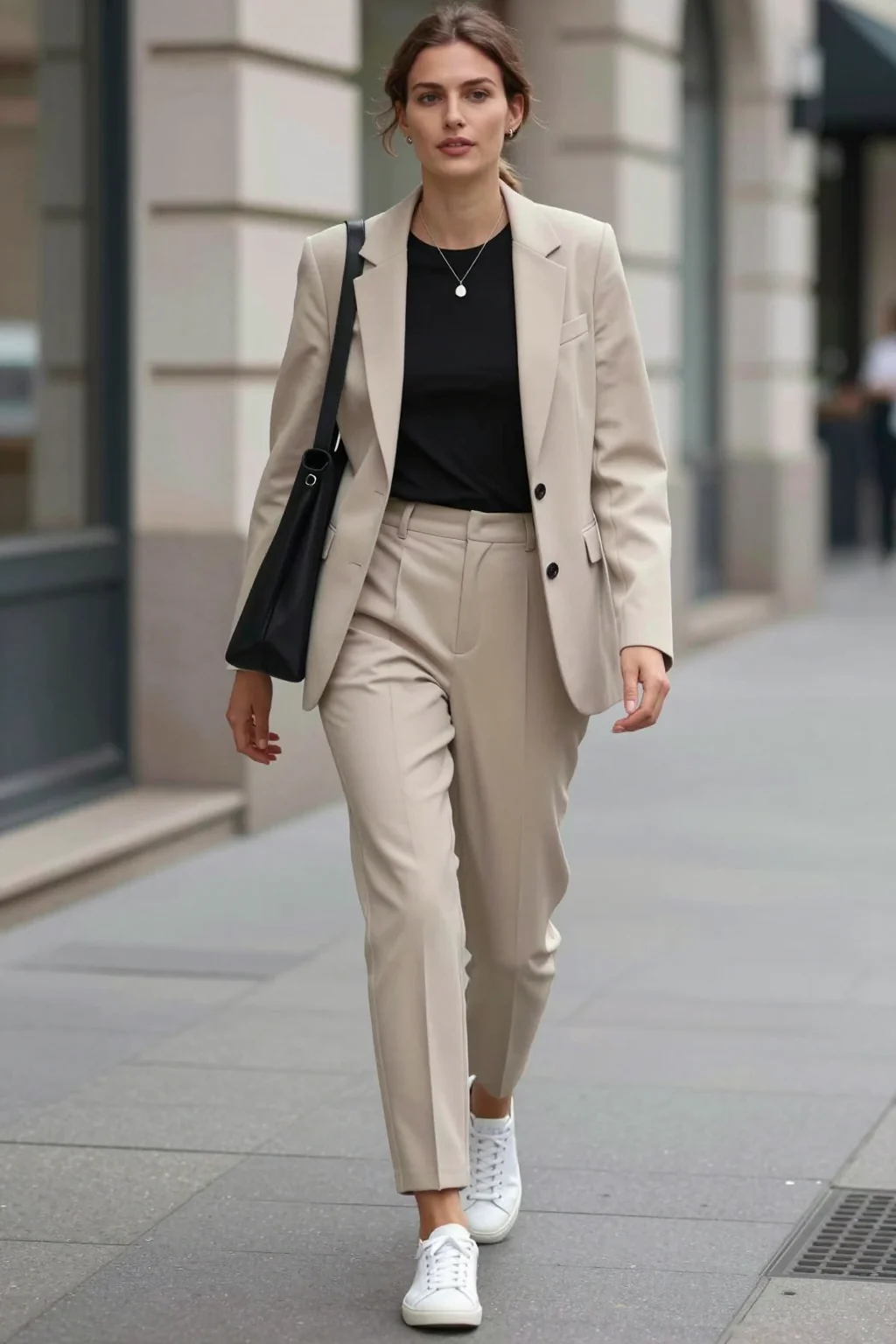 Travel Capsule Wardrobe Summer
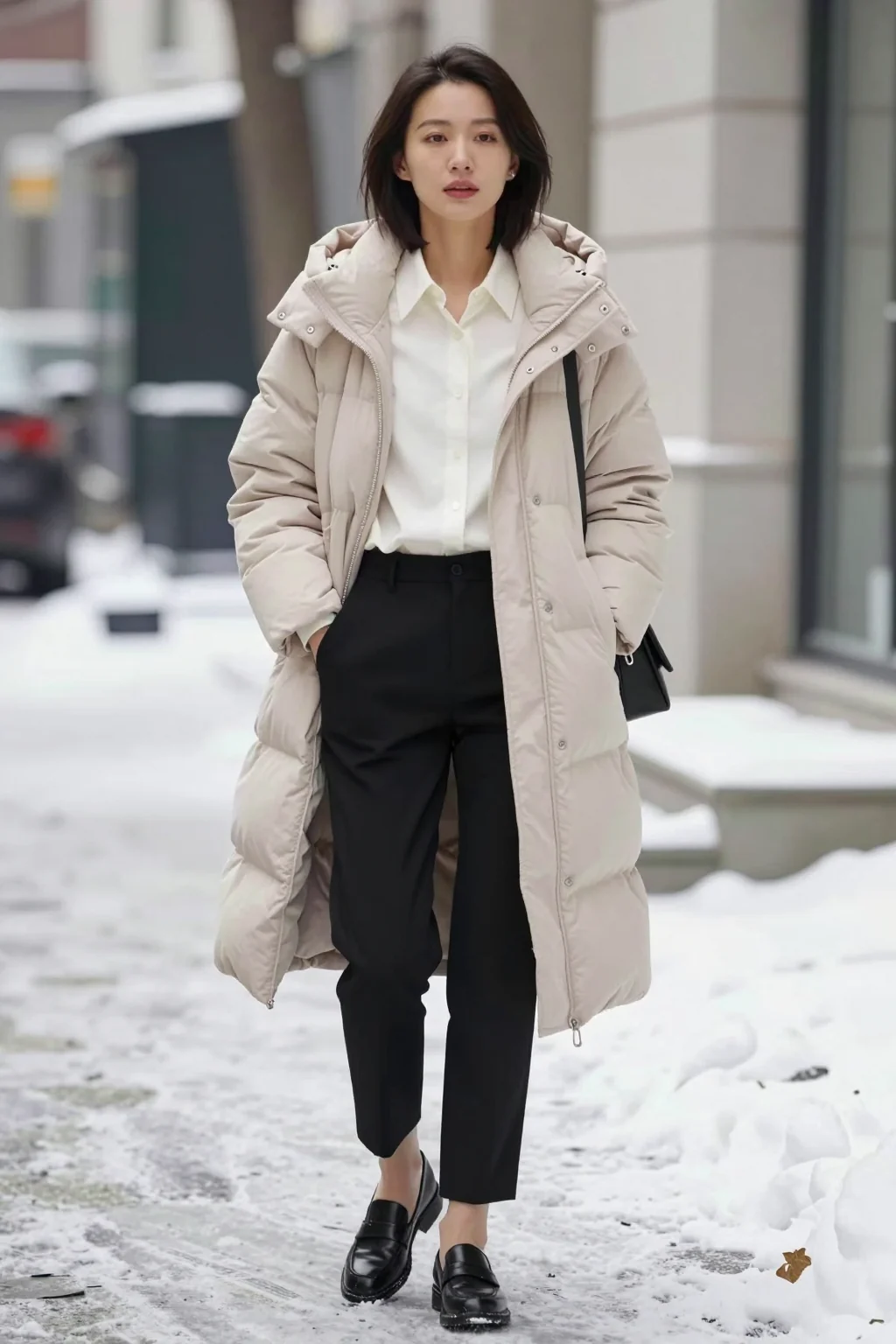 Old Money Outfits Women Winter Elegant
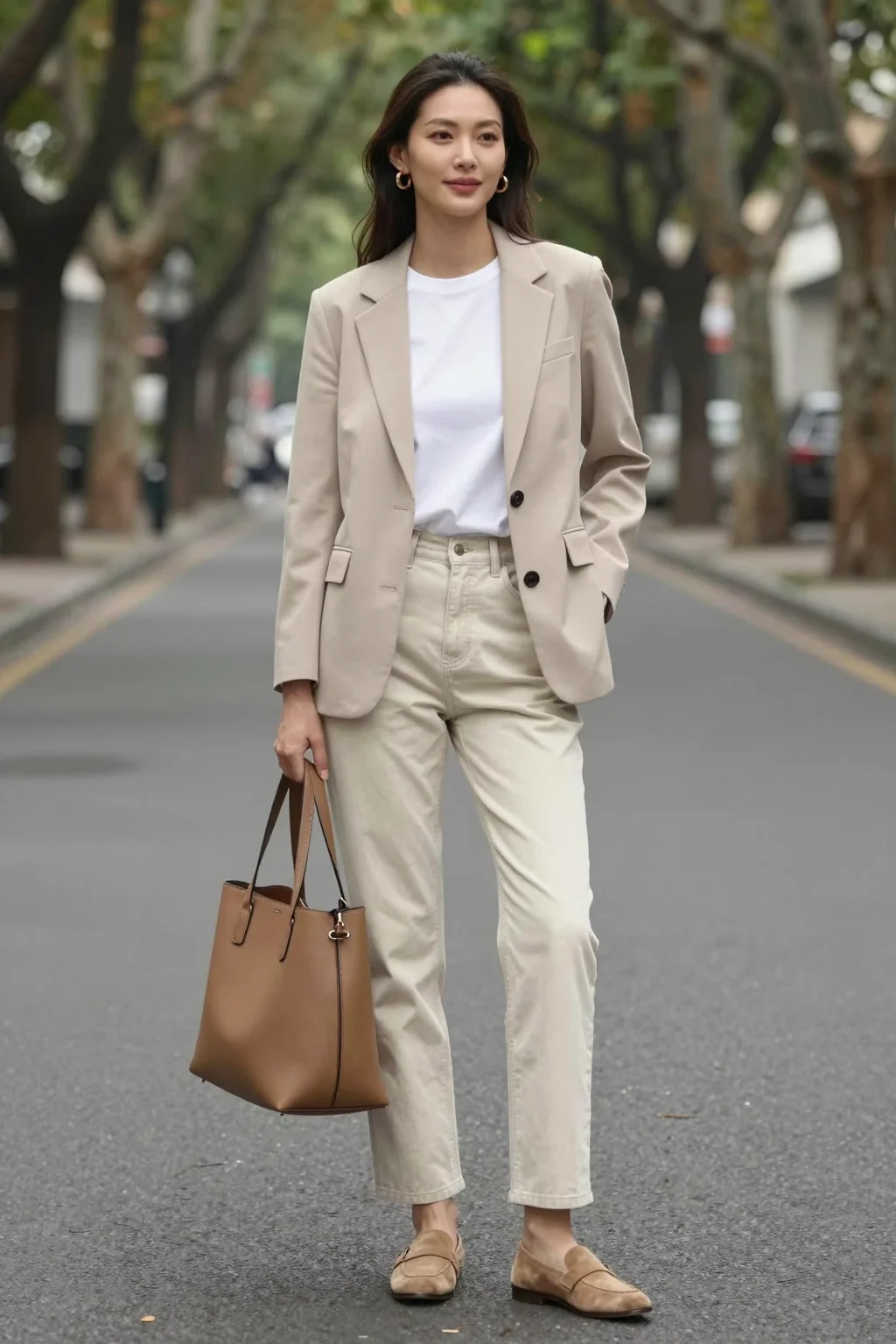 Vacation Capsule Wardrobe
Keep exploring
Related guides
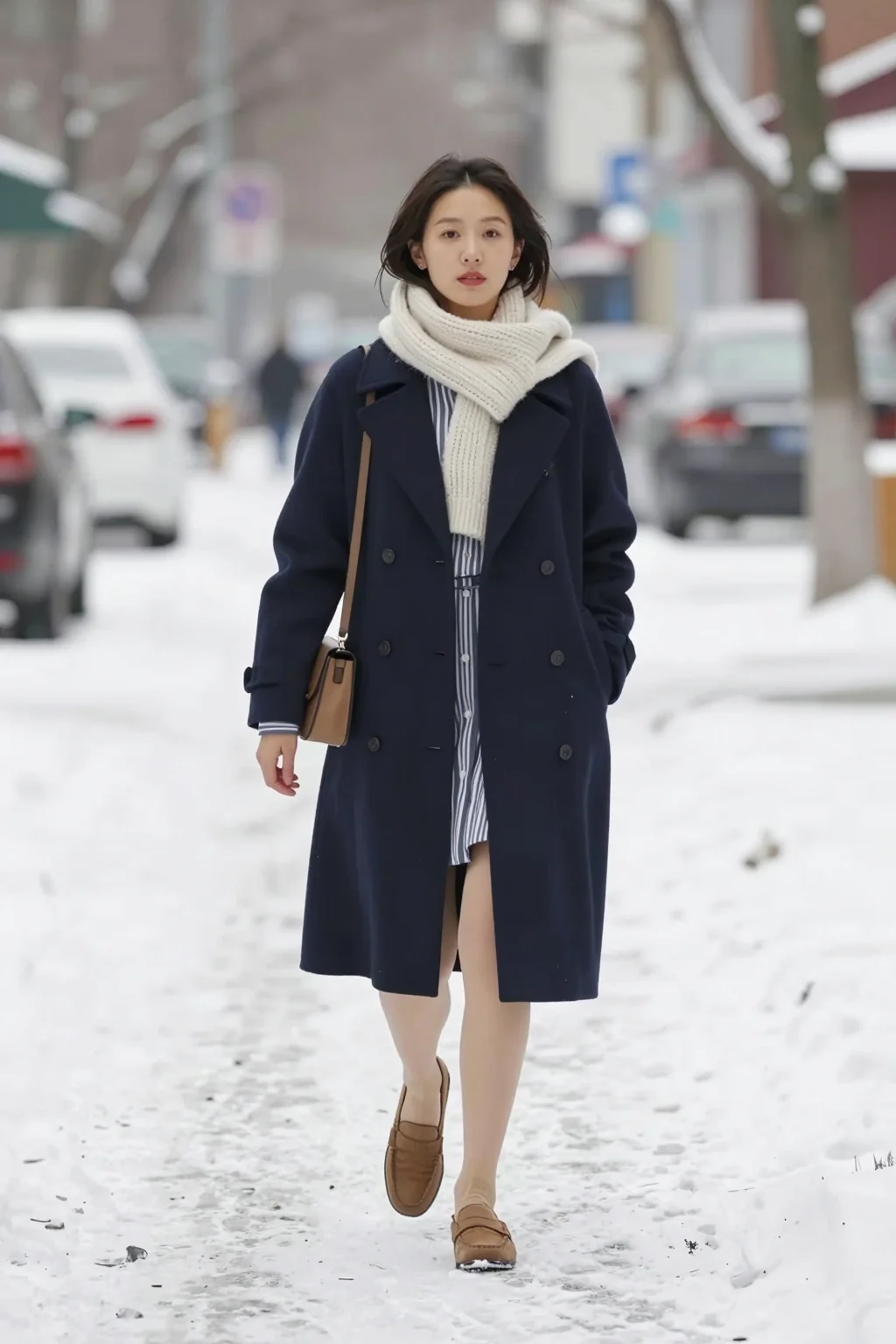 Seasonal & travel
Seasonal dressing guides address climate-specific clothing broadly, while a travel capsule is built around a specific itinerary and the practical limits of traveling with a small bag.
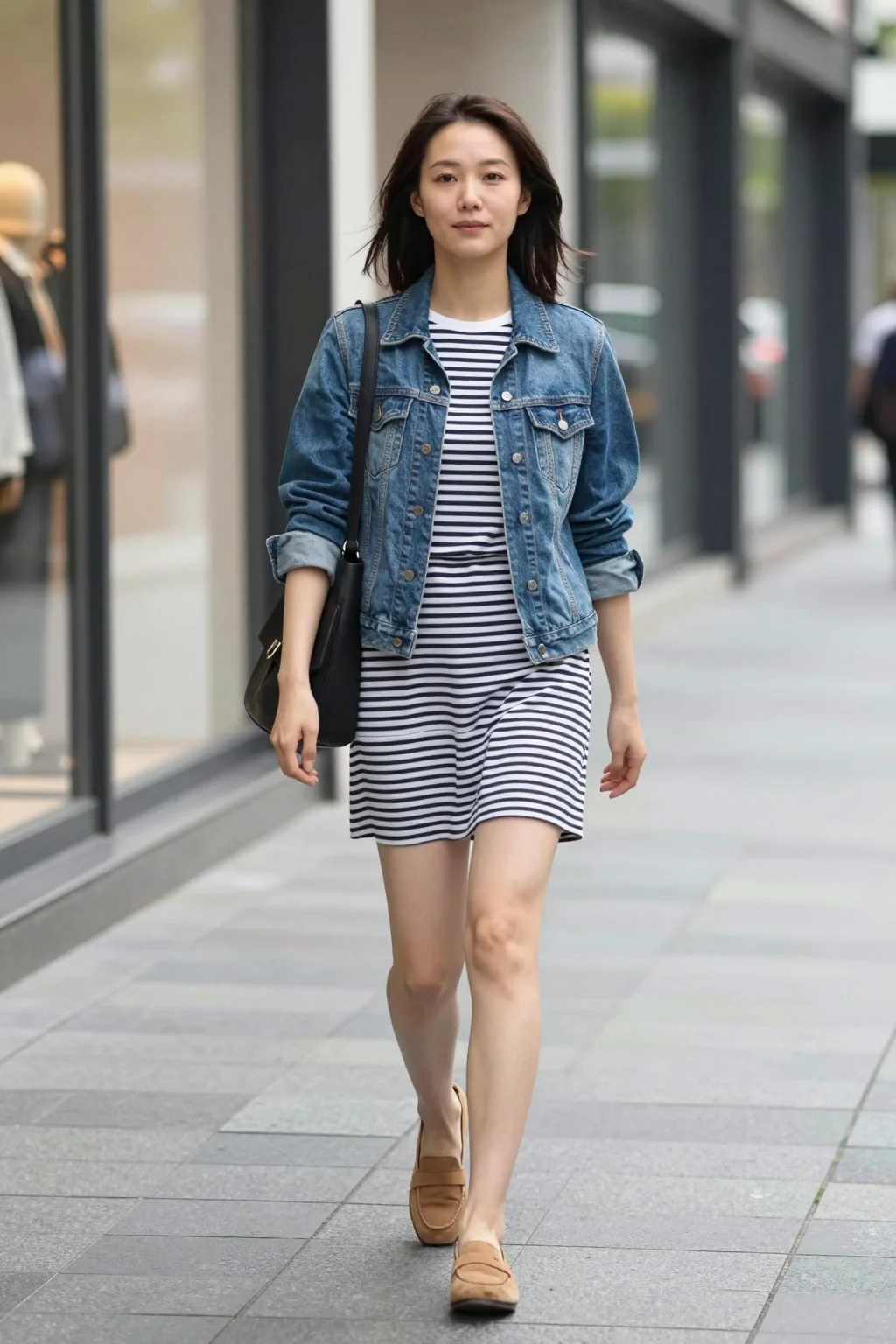 Casual
The pieces and routine here serve a different day-to-day use.
Questions
How many outfits should I pack for a ten-day trip?
With mid-trip laundry access, seven to eight outfit combinations usually cover ten days comfortably. Without laundry access, plan for ten distinct combinations, which often means more tops than bottoms since bottoms repeat more invisibly.
What fabrics travel best in a carry-on?
Lightweight cotton, merino wool, and modal blends resist wrinkles reasonably well and are usually manageable to handwash. Check your care labels — fabric blends vary, and a label trumps general fabric advice in every case.
How do I handle shoes in a travel capsule?
Choose a maximum of three pairs and let your most demanding activity determine your first choice. Walking comfort usually wins as pair one. A sandal and a simple evening shoe or one versatile boot cover most other situations.
Is it worth doing laundry mid-trip?
Almost always yes, especially on trips longer than seven days. A midpoint wash cuts your packing list nearly in half. Research laundry options at your accommodation before you leave so you can plan your pack list around confirmed access.
Generated references, not tested products. How shopping links work.