Outfit edits / Capsule & basics
Spring capsule wardrobe for variable weather
A spring capsule works when your layers let you respond to morning chill and afternoon warmth without carrying a separate bag of clothes.
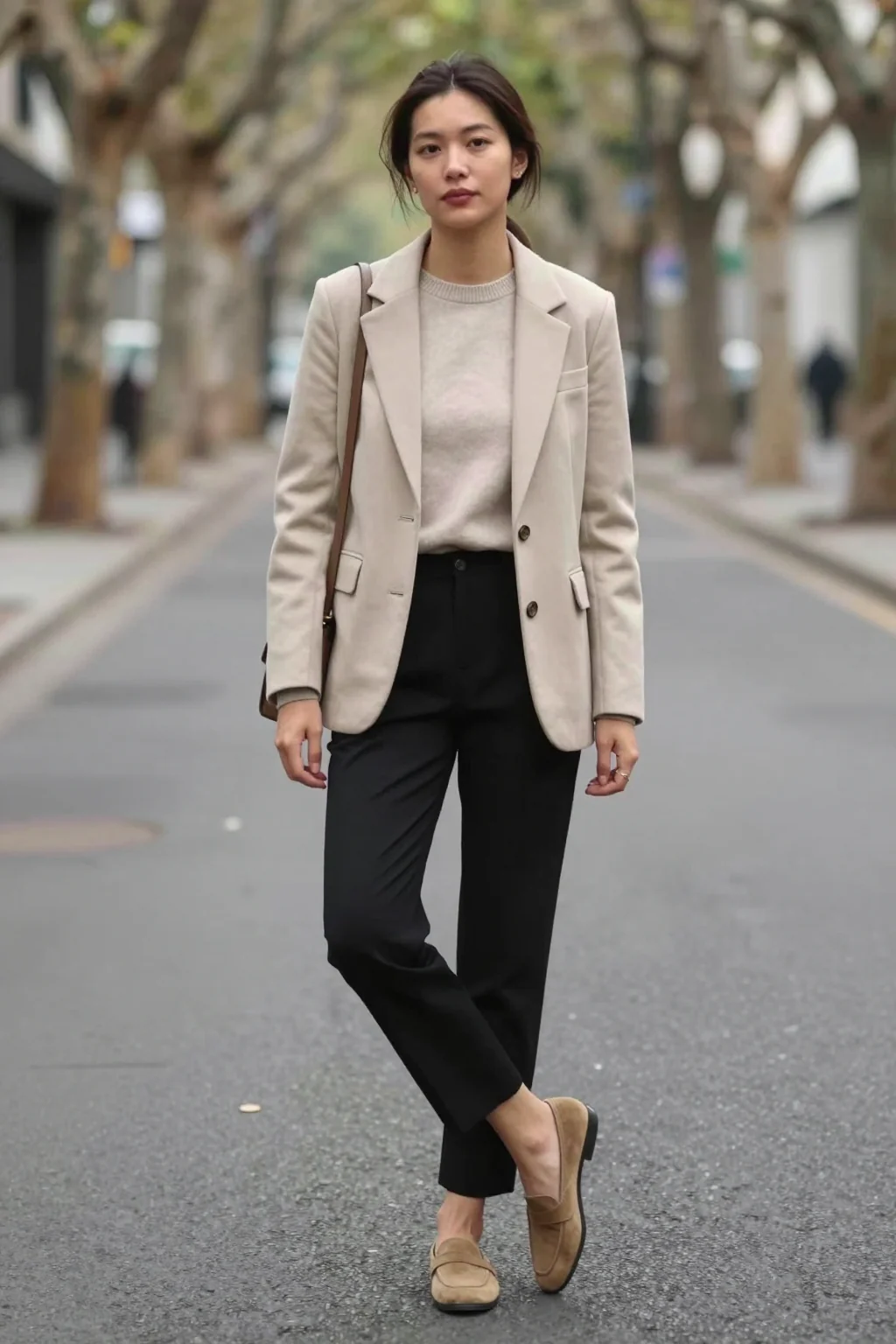
Three rules
Start here.
- Choose layers you can remove and carry comfortably when indoor heating or afternoon sun makes them unnecessary.
- Test each outfit with and without its outer layer to confirm the base still meets your coverage and dress code needs.
- Repeat a versatile bottom and vary the top and layer before adding another complete outfit to the rotation.
A styling reference, not a product photo.
What defines it
The basics
A spring capsule wardrobe is a small collection whose pieces work together across the unpredictable temperatures and rain of March through May. You choose items that layer and separate easily so a coat, cardigan, or light jacket becomes optional rather than built into every outfit.
Trench coats, cardigans, and lightweight knits create removable layers over shirts and dresses. Straight-leg jeans and midi skirts provide different outlines, while ivory, navy, sage green, and oatmeal connect the colors. A denim jacket contrasts with softer cardigan textures, and closed-toe flats or sneakers suit variable ground conditions.
Compared with a winter capsule, spring pieces use lighter fabrics and assume you will add or remove layers through the day. These generated styling references are not products or try-ons, and shopping links open similar pieces; images cannot establish fabric weight, fiber content, or waterproofing.
Repeatable combinations
Formulas to try
- White T-shirt + straight-leg jeans + trench coat
- Use this for a mild spring day when you expect both sun and cooler moments. Add white sneakers for walking or switch to tan loafers when the ground is dry and your plans suit a tidier shoe.
- Striped sweater + midi skirt + denim jacket
- Try this combination for a day when you want a skirt outline without full coverage from a coat. Remove the jacket indoors, or replace it with the oatmeal cardigan for a softer outer layer.
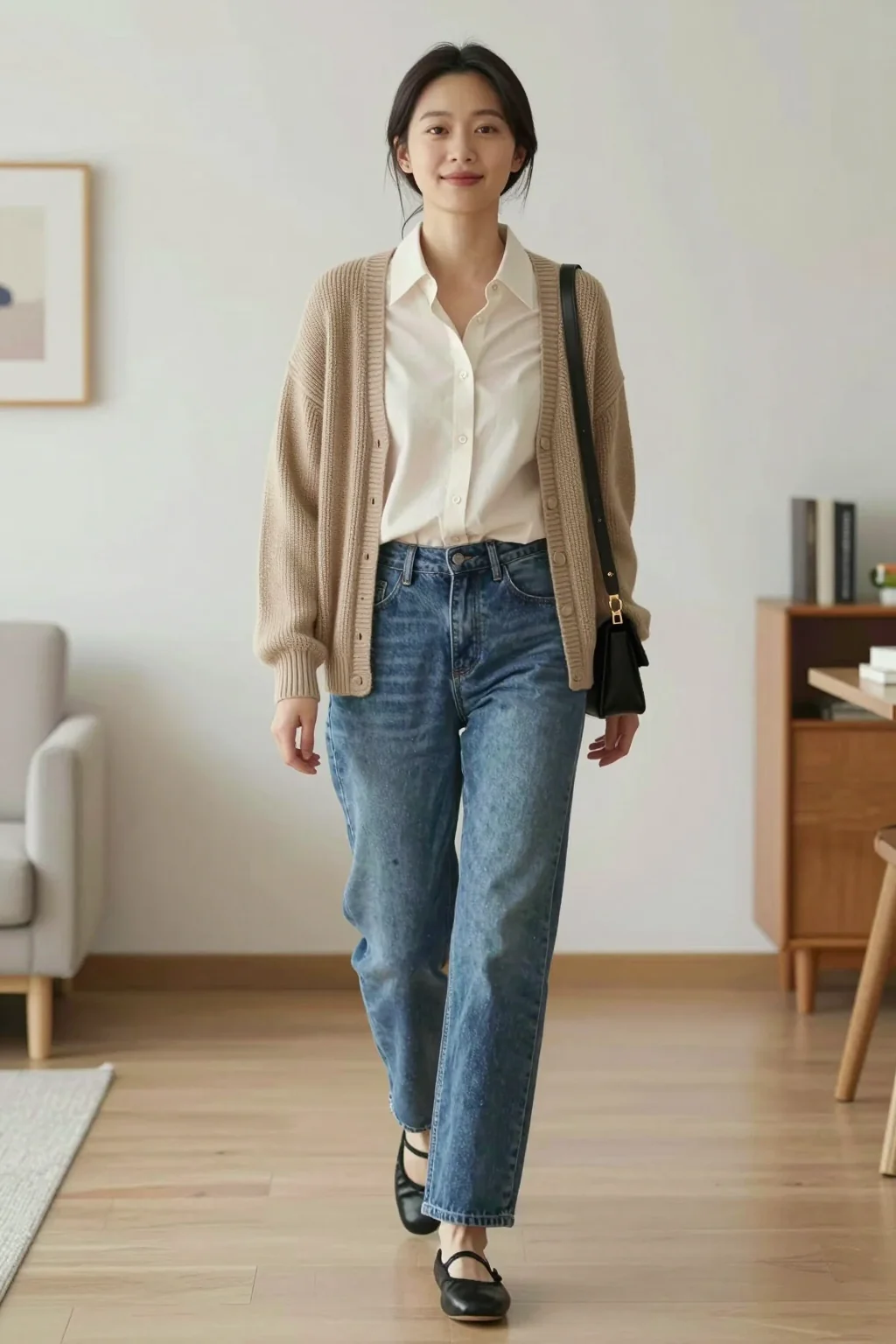
- Button-up shirt + straight-leg jeans + oatmeal cardigan
- Choose this for variable indoor and outdoor temperatures where a coat would be too warm. Wear ballet flats when your route stays paved, or use white sneakers for longer walking distances.
- Ivory shirt + midi skirt + trench coat + flats
- This offers a dressed-up spring option for work or a daytime event. Add tan loafers and a crossbody bag, or switch to white sneakers and remove the coat when the weather allows it.
- Light knit + straight-leg jeans + denim jacket
- Use this on a cool spring morning when you want two layers you can separate easily. Carry the jacket when afternoon warmth makes it unnecessary, keeping white sneakers as the consistent footwear.
Your needs, your plans
Before you buy
- Layering without bulk
- Try your intended layers together before assuming they will work on a spring day. A thick sweater under a fitted jacket can restrict arm movement, while a lighter knit or shirt leaves room for comfortable reach and sitting.
- Fabric weight and rain
- Spring fabric names do not establish water resistance or warmth. Check actual specifications and test your coat in the conditions you expect, especially if your commute includes waiting outside or walking between stops.
- Transition dress codes
- Confirm whether your workplace or event expects the same coverage on a warm spring afternoon as on a cool morning. Keep a layer you can add back if removing your coat leaves you feeling under-dressed.
- Repeating efficiently
- Wear the same jeans or skirt with different tops and layers through the week before buying another bottom. A new cardigan or shirt adds variety without requiring you to rebuild your shoe and bag pairings.
From what you own
Build it and repeat it
Start with the jeans or skirt you already wear most often and test them with a T-shirt, a button-up, and a sweater. Check which outer layer you reach for when leaving home, then photograph those combinations to identify gaps before shopping.
Buy one light outer layer first if your current coat is too heavy for spring warmth. Repeat straight-leg jeans with the white T-shirt and trench one day, the striped sweater and denim jacket another, alternating footwear and bags as your plans require. Add the midi skirt when you want an alternative to jeans, reusing the same tops and layers to keep the wardrobe small.
Shop the pieces
6 capsule & basics pieces
Links open similar items, not the pictured ones.
-
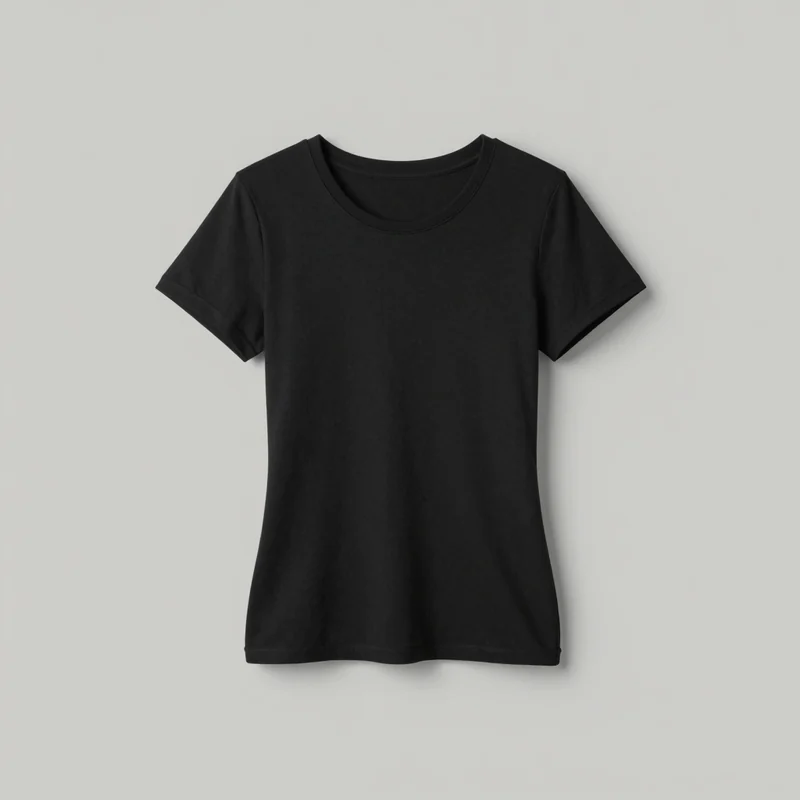
Women black crewneck t shirt
What to check
Browse black crewneck T-shirts. Compare the neckline, hem, fabric and measurements; the generated tee is not an exact listed product.
-
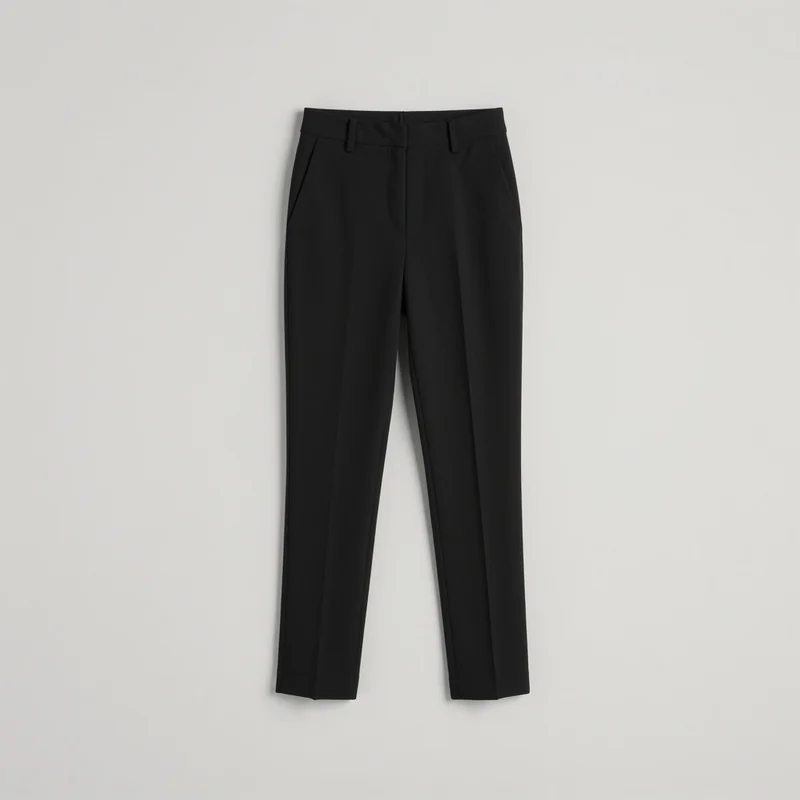
Women black tailored trousers
What to check
Browse black tailored trousers. Compare waistband, cut, fabric and inseam; cargo and track trousers serve different roles.
-
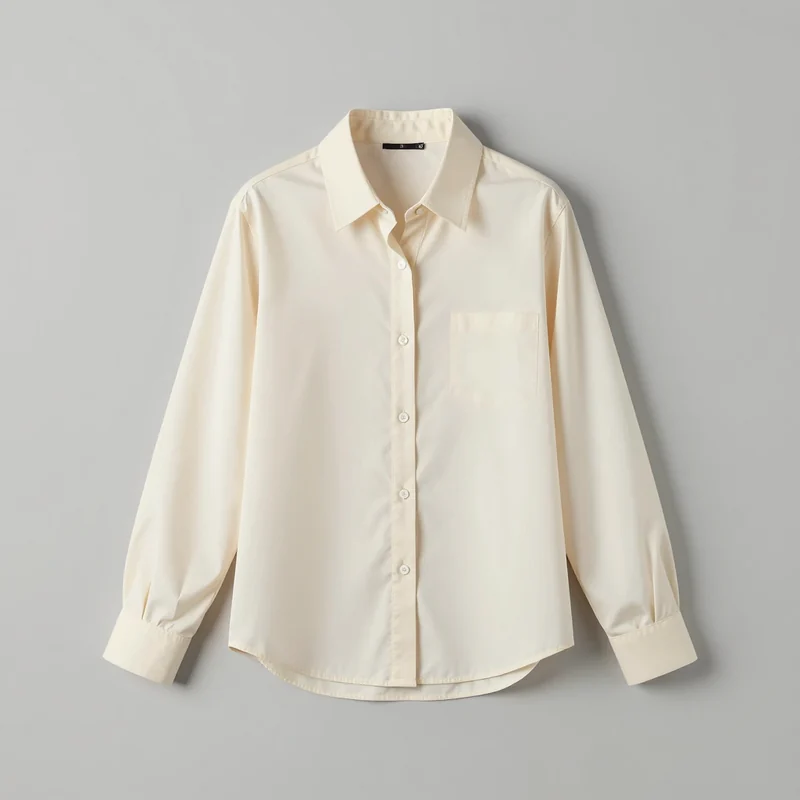
Women ivory button up shirt
What to check
Browse ivory button-up shirts. Compare actual shade, collar, hem and fabric opacity; the pictured garment is generated inspiration.
-
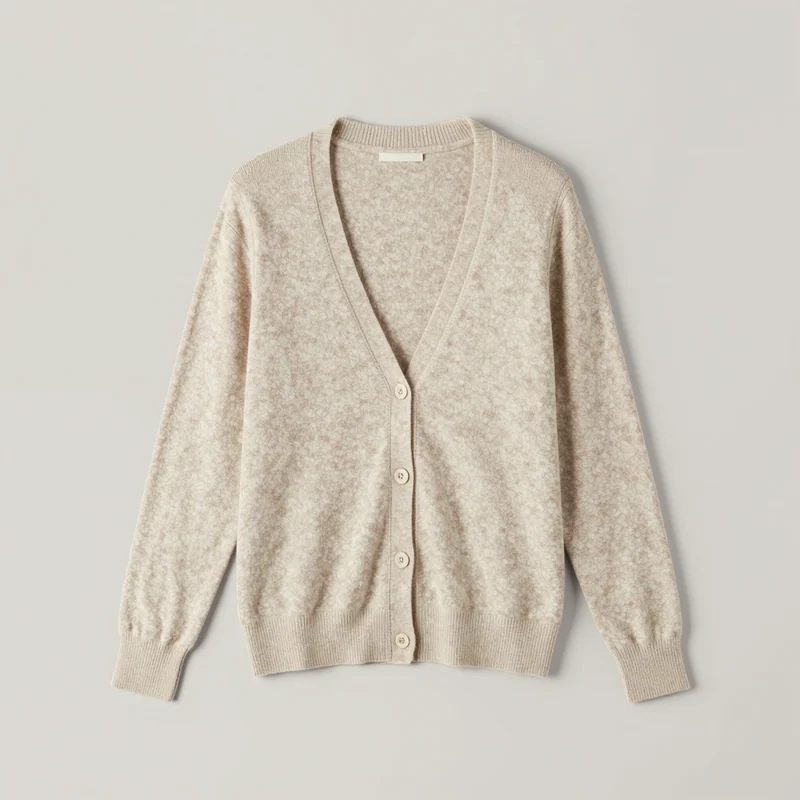
Women oatmeal cardigan
What to check
Browse oatmeal cardigans. Compare knit, length, opening and care; choose the garment for your intended layers.
-
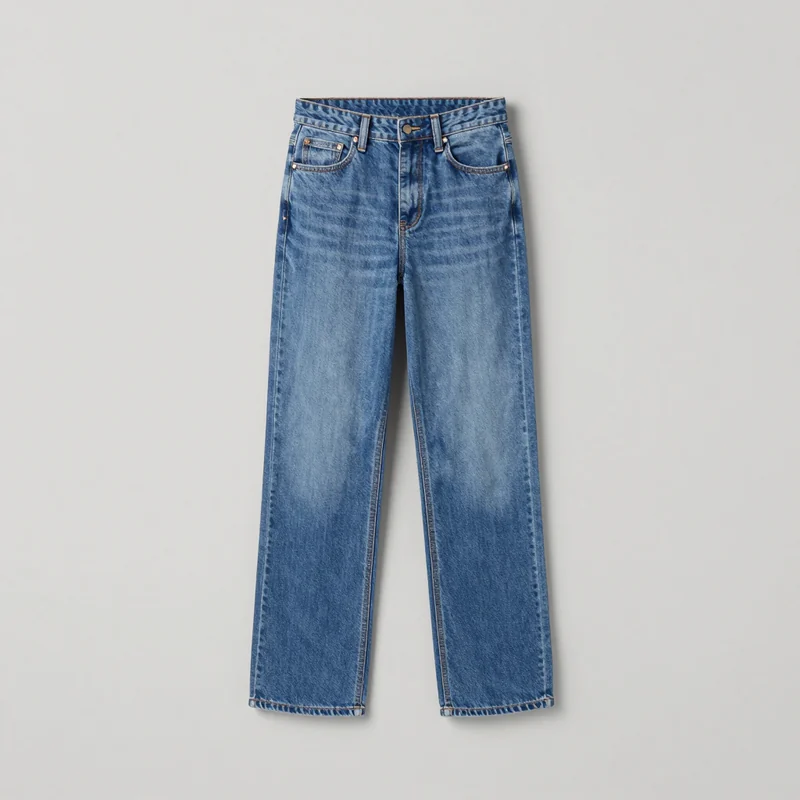
Women straight leg blue jeans
What to check
Browse straight-leg blue jeans. Compare rise, inseam, leg opening and the size chart; the image does not establish fit.
-
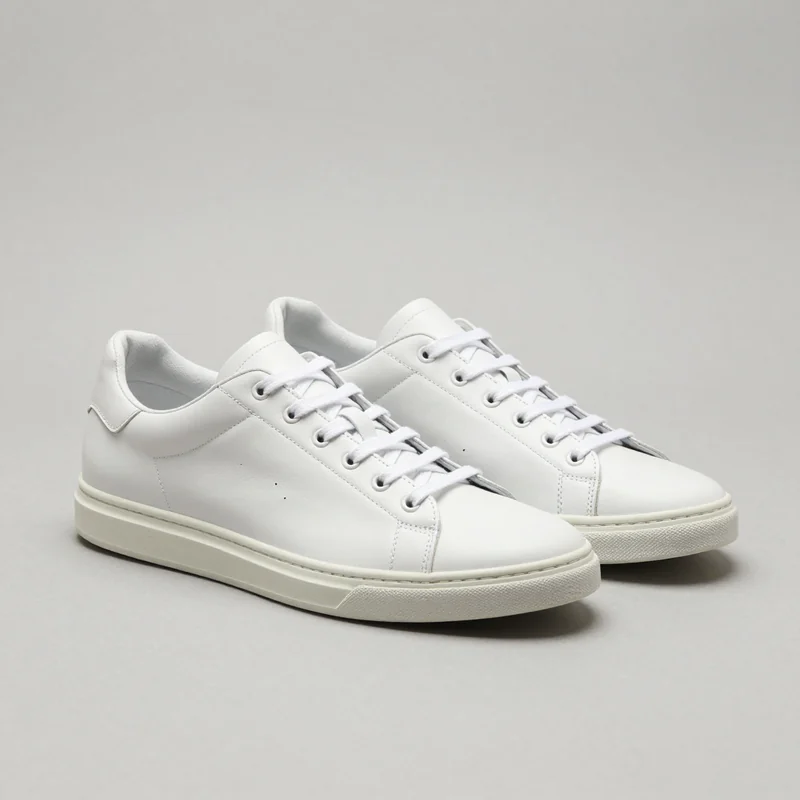
Women white low top sneakers
What to check
Browse white low-top sneakers. Compare actual fit, sole and shape; these are alternatives to the generated shoes.
The gallery
20 capsule & basics looks
Open a look to see its pieces.
 Capsule Wardrobe
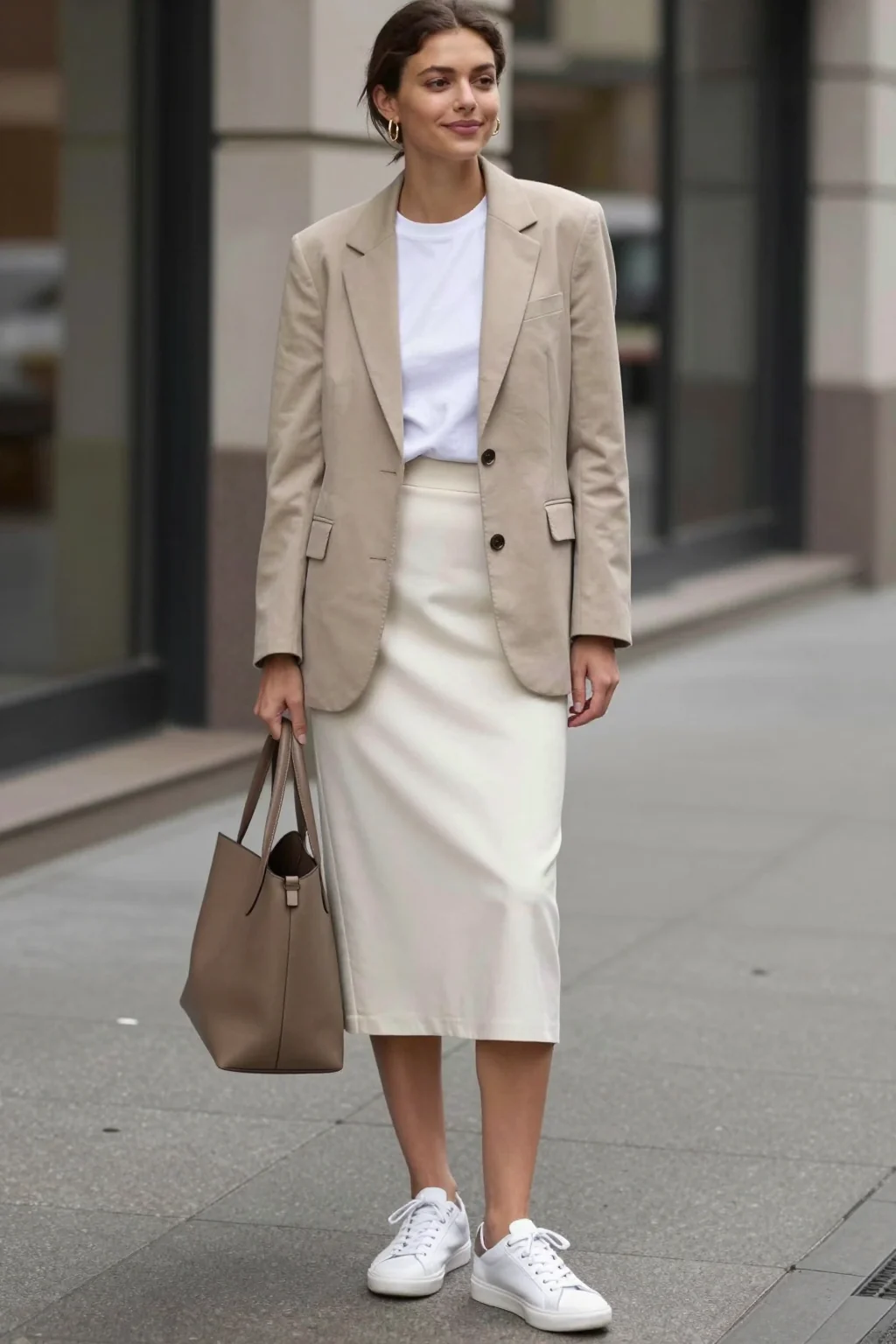 Old Money Outfits Women
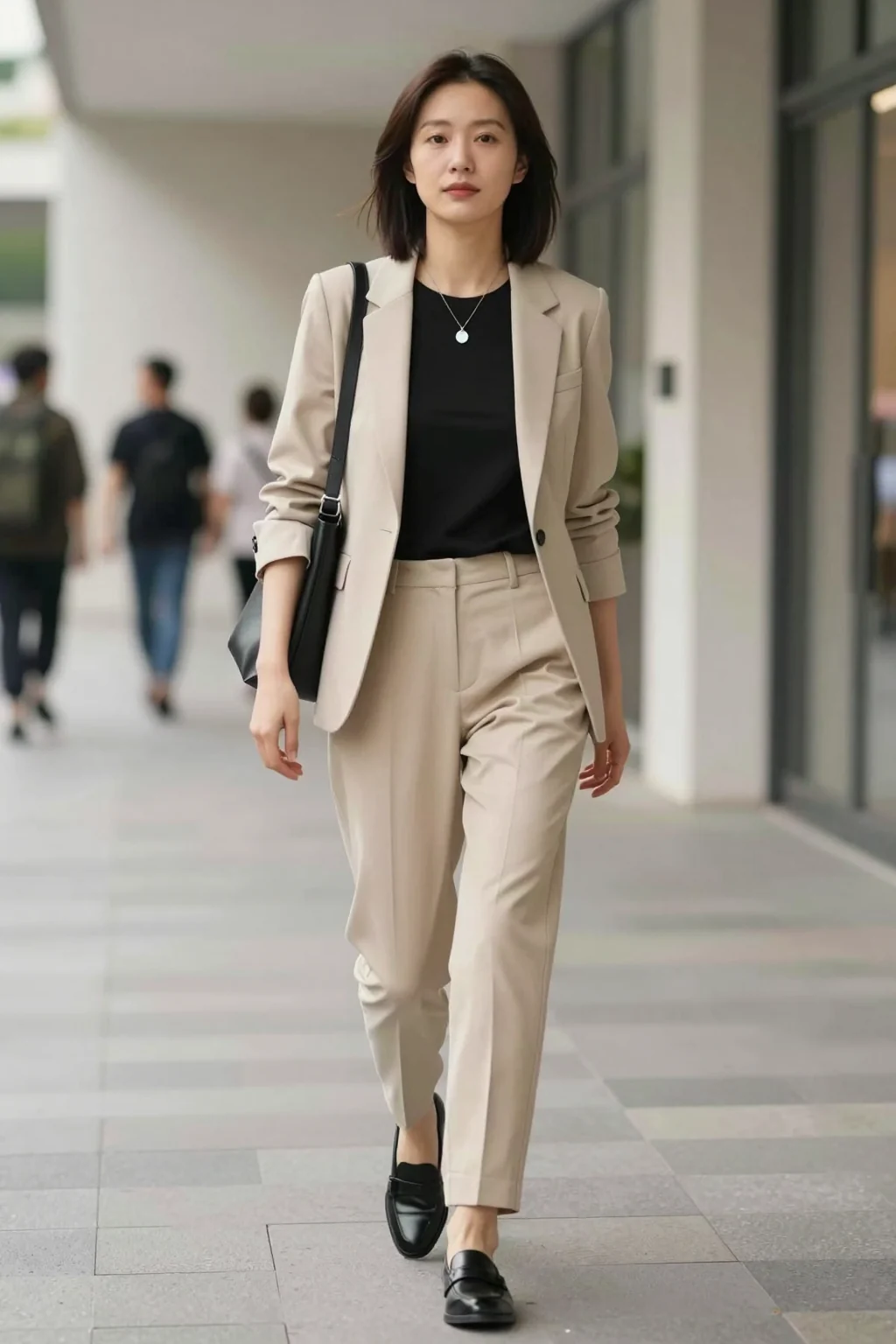 Summer Capsule Wardrobe
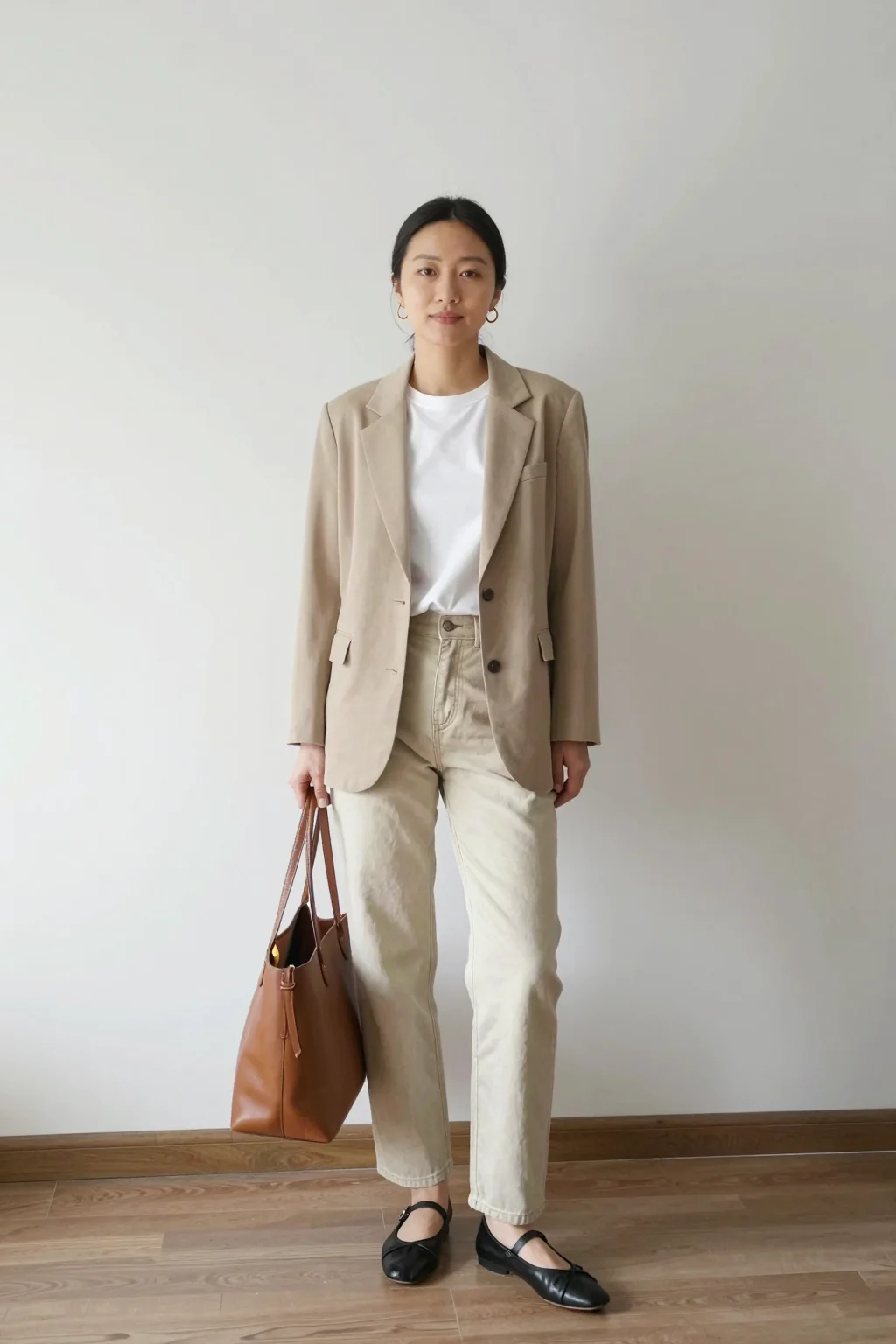 Spring Capsule Wardrobe
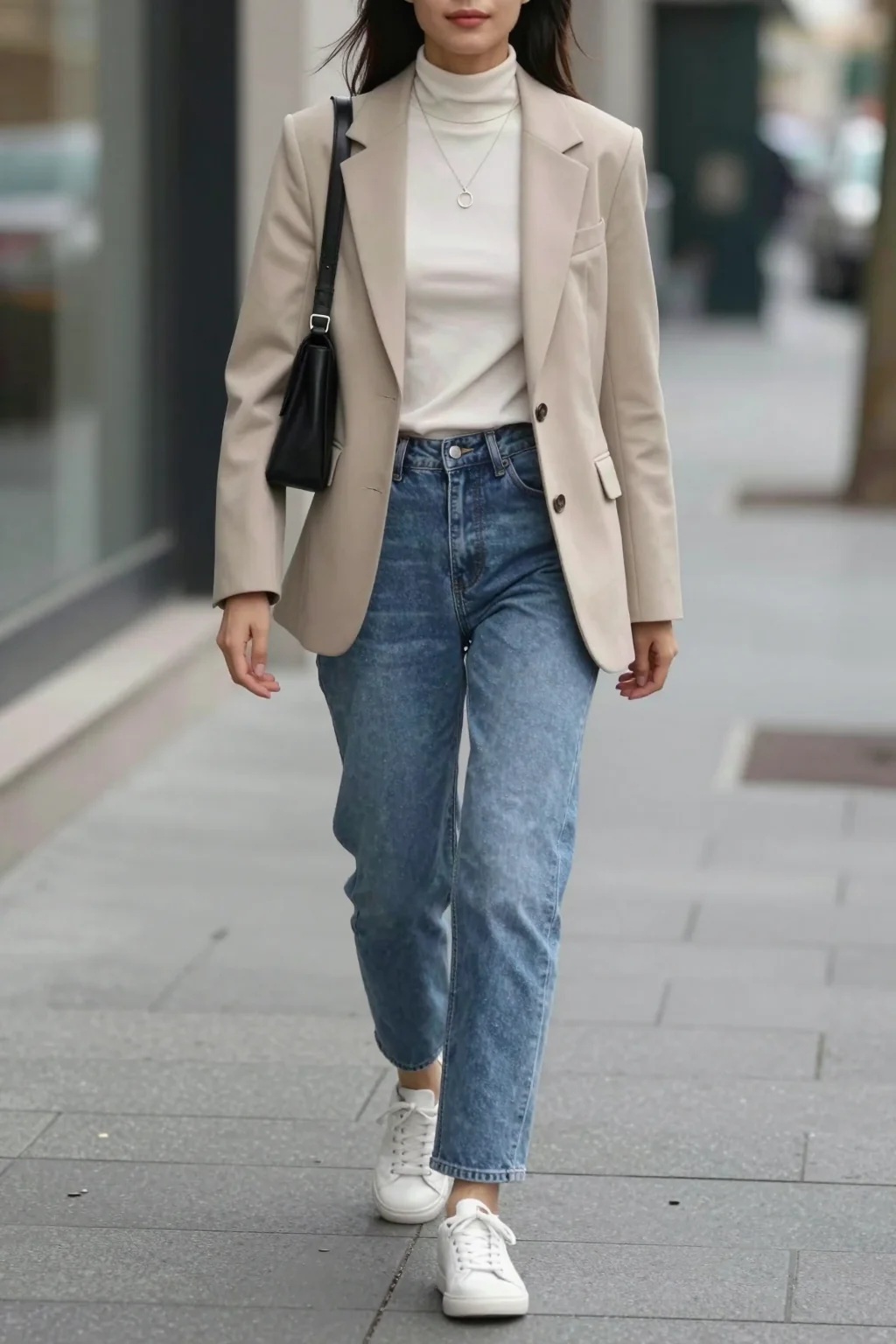 Fashion Capsule Wardrobe
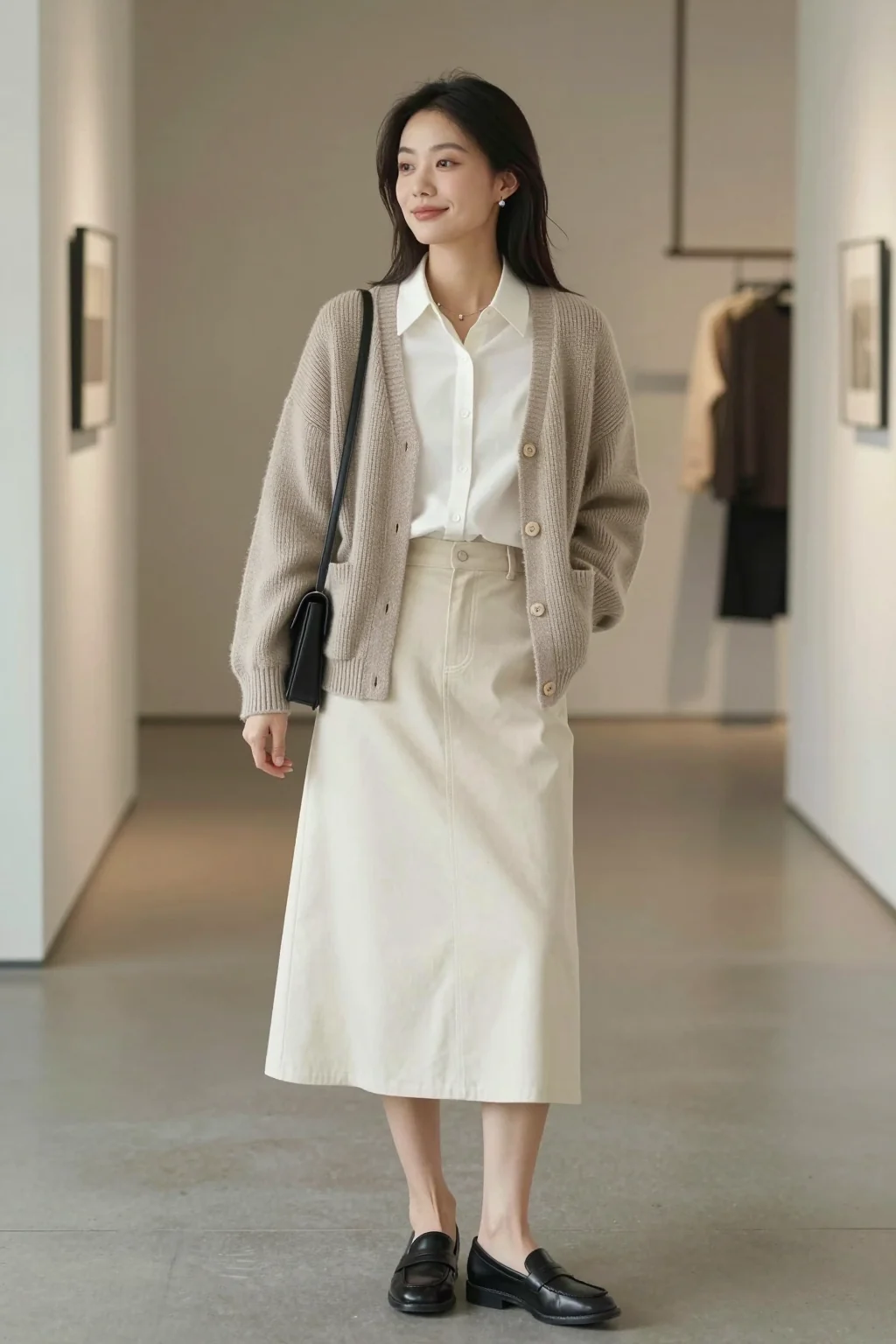 Travel Capsule Wardrobe
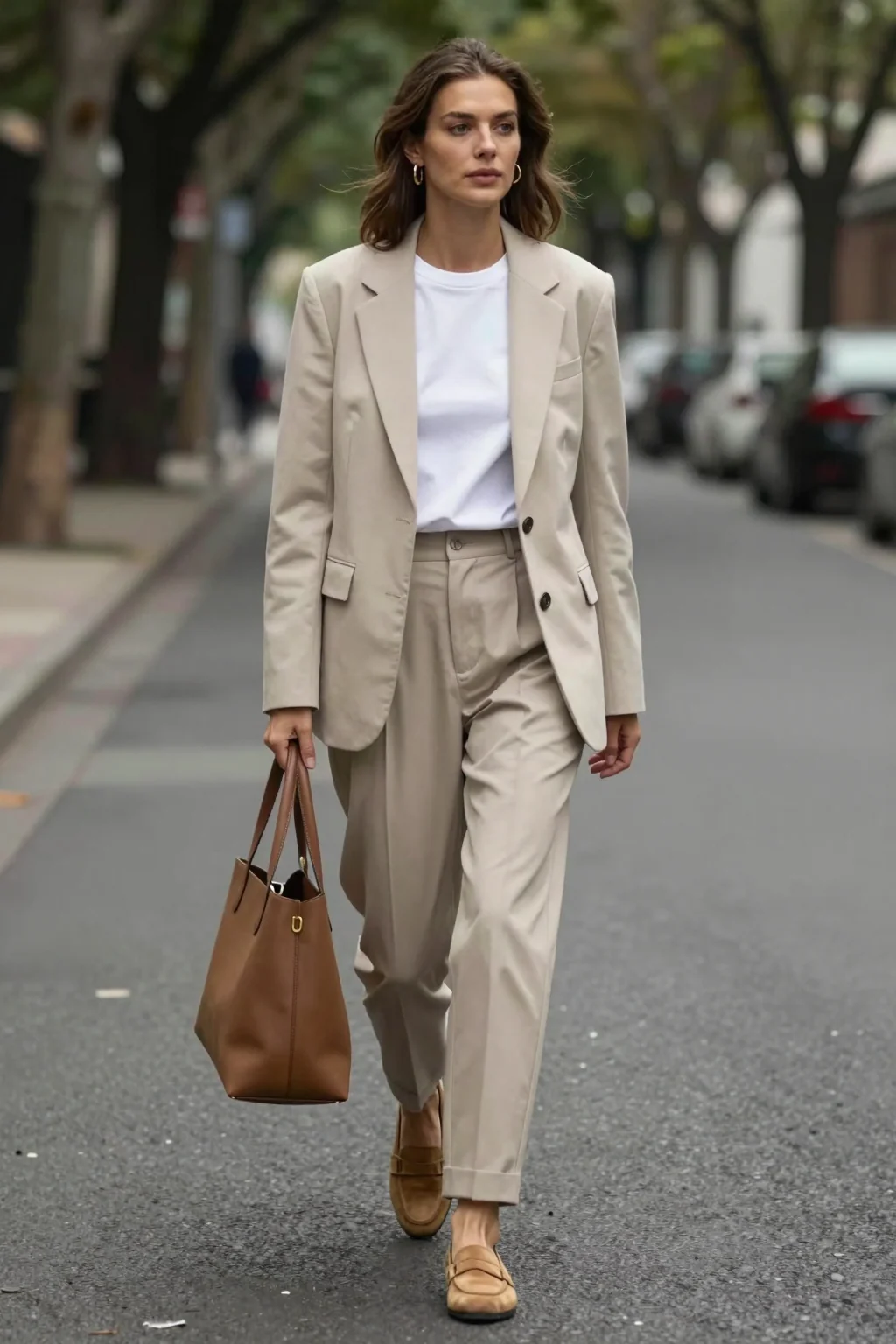 Autumn Capsule Wardrobe
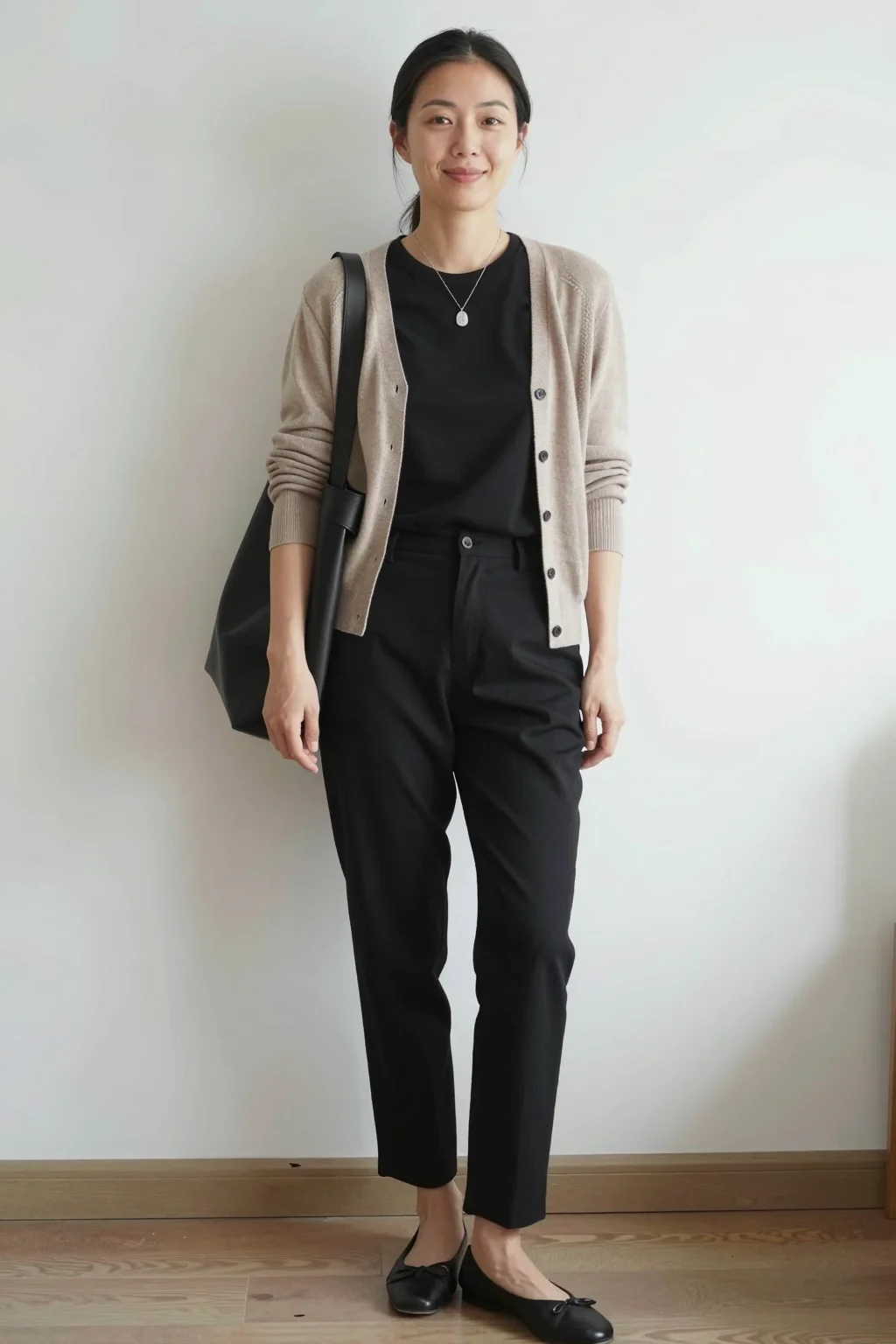 Old Money Capsule Wardrobe
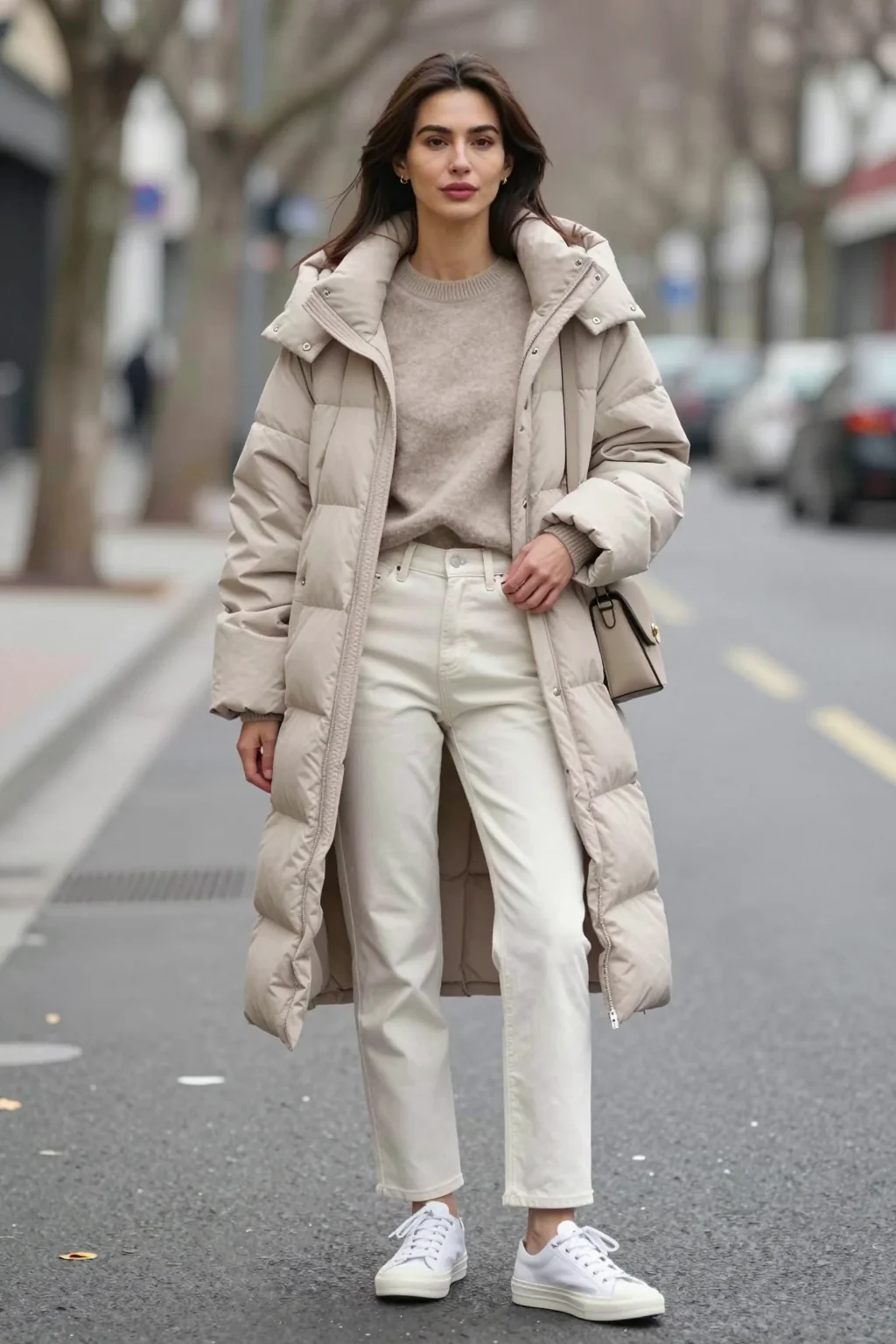 Capsule Wardrobe Winter
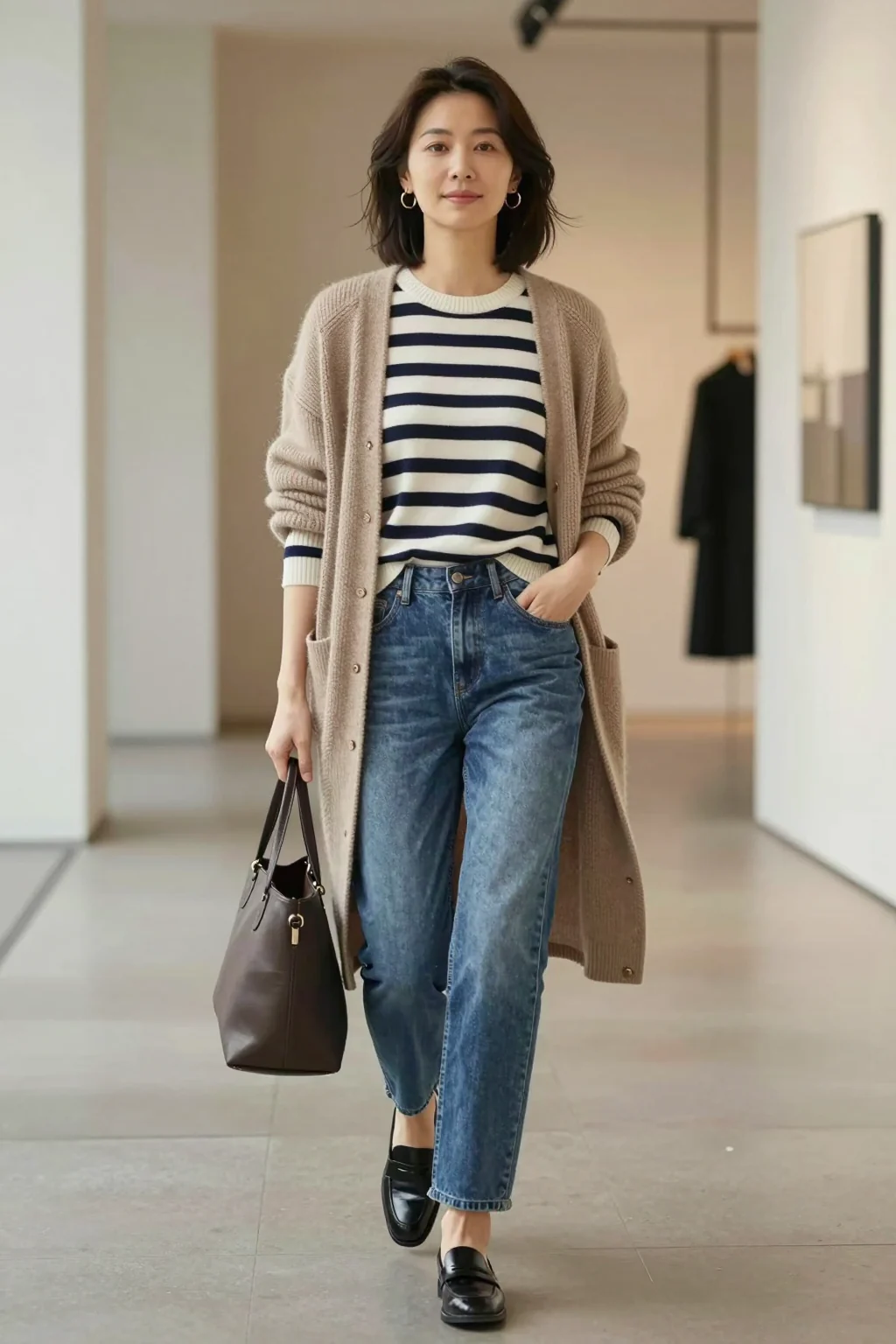 Work Capsule Wardrobe
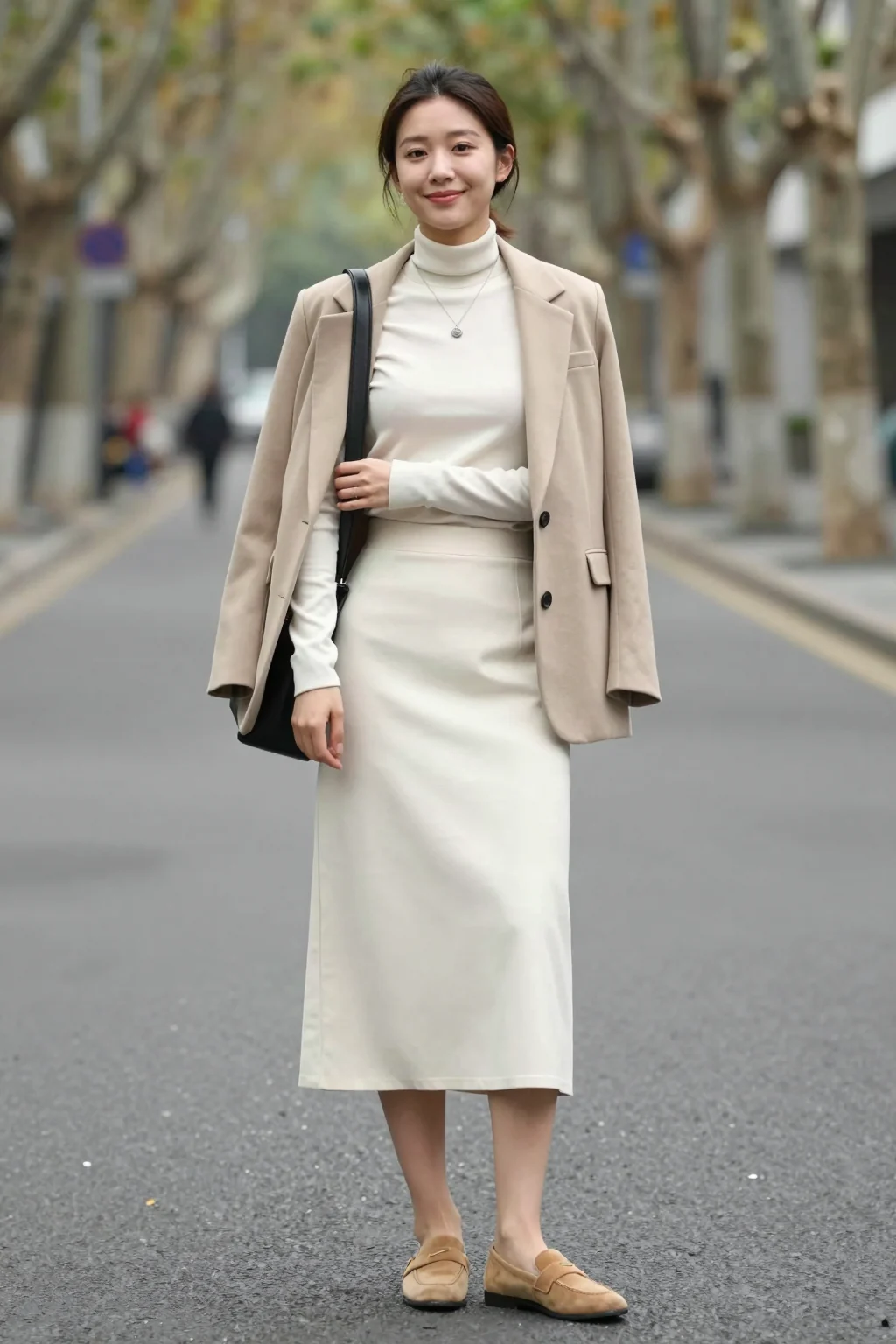 Capsule Wardrobe Checklist
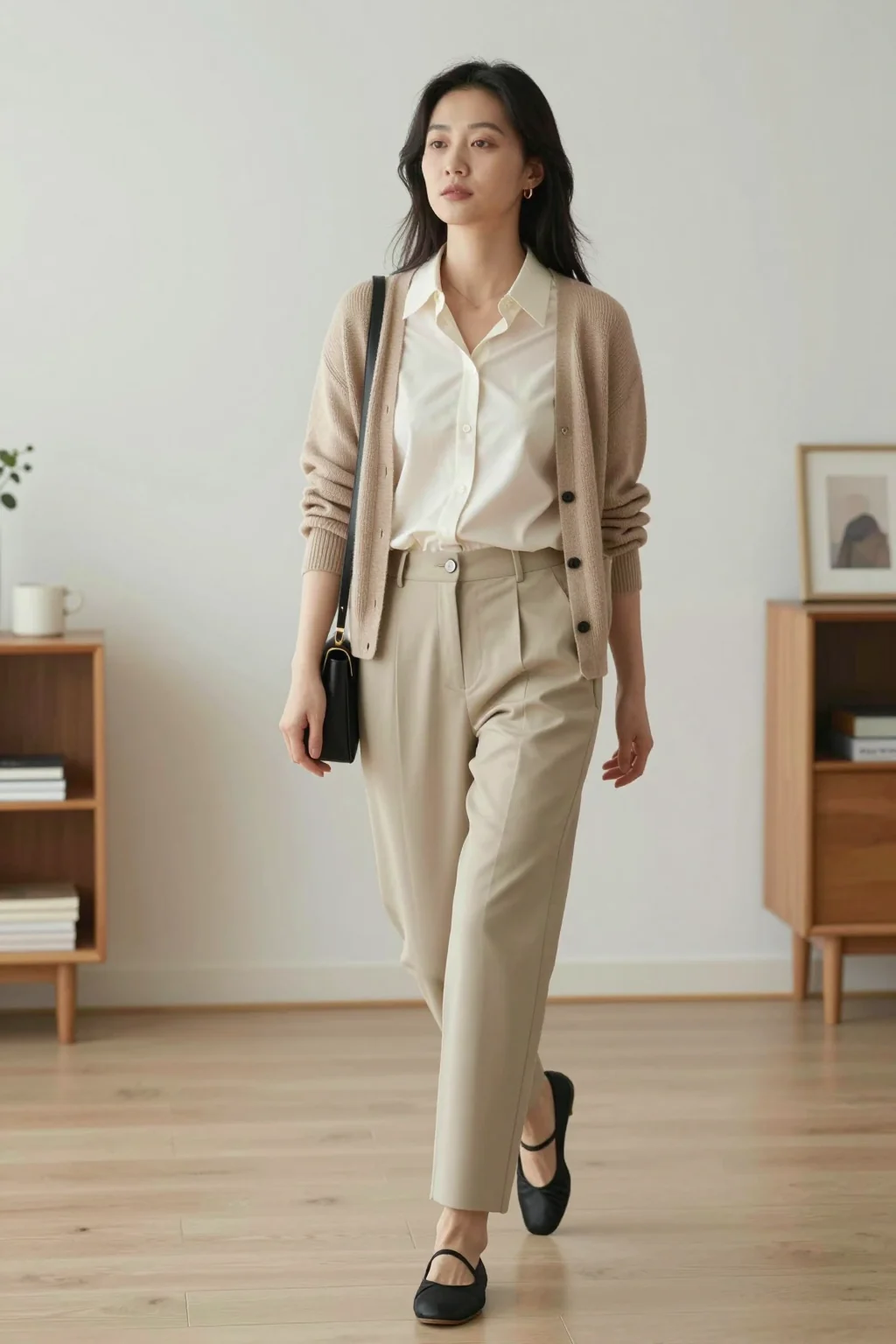 Soft Summer Capsule Wardrobe
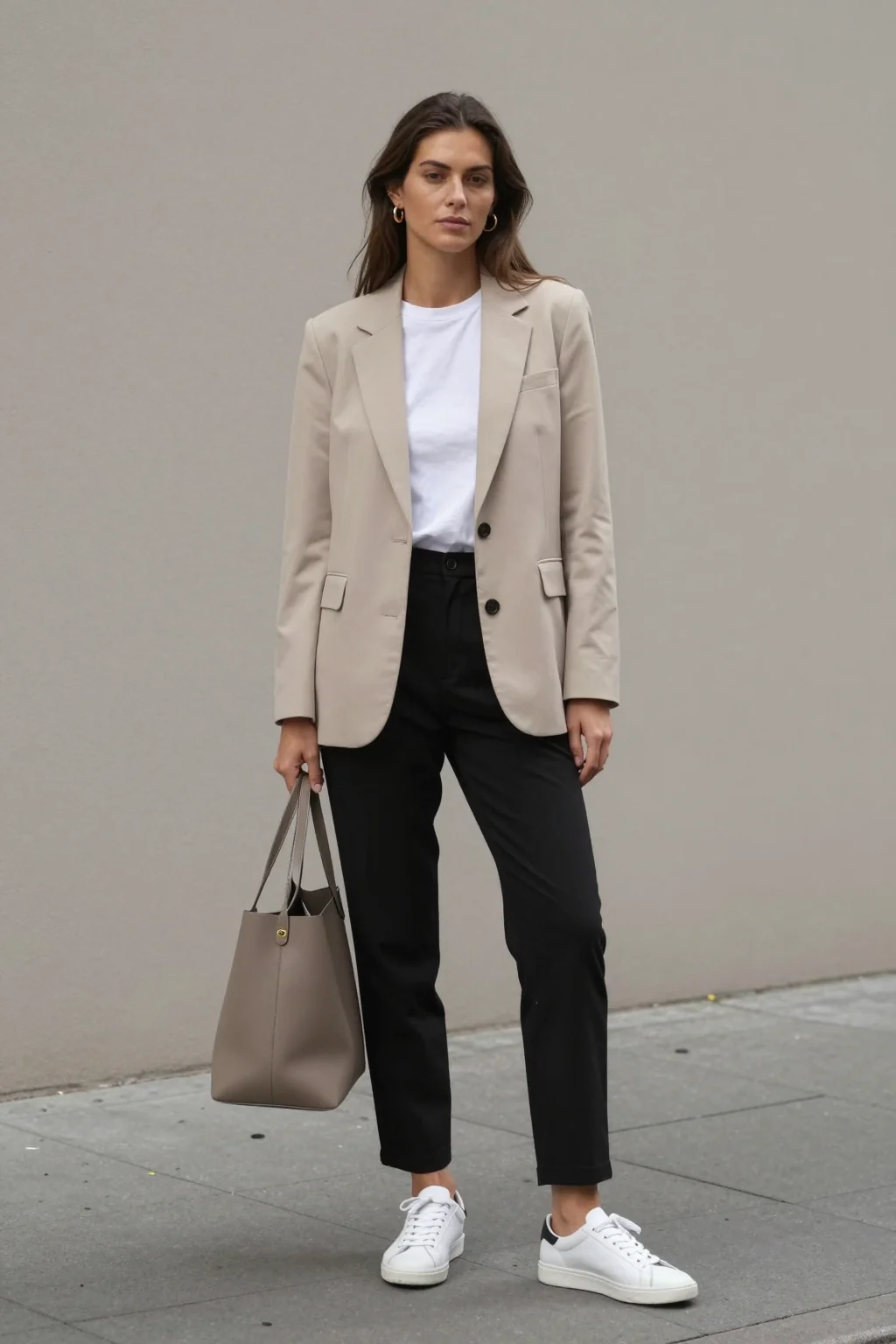 Timeless Capsule Wardrobe
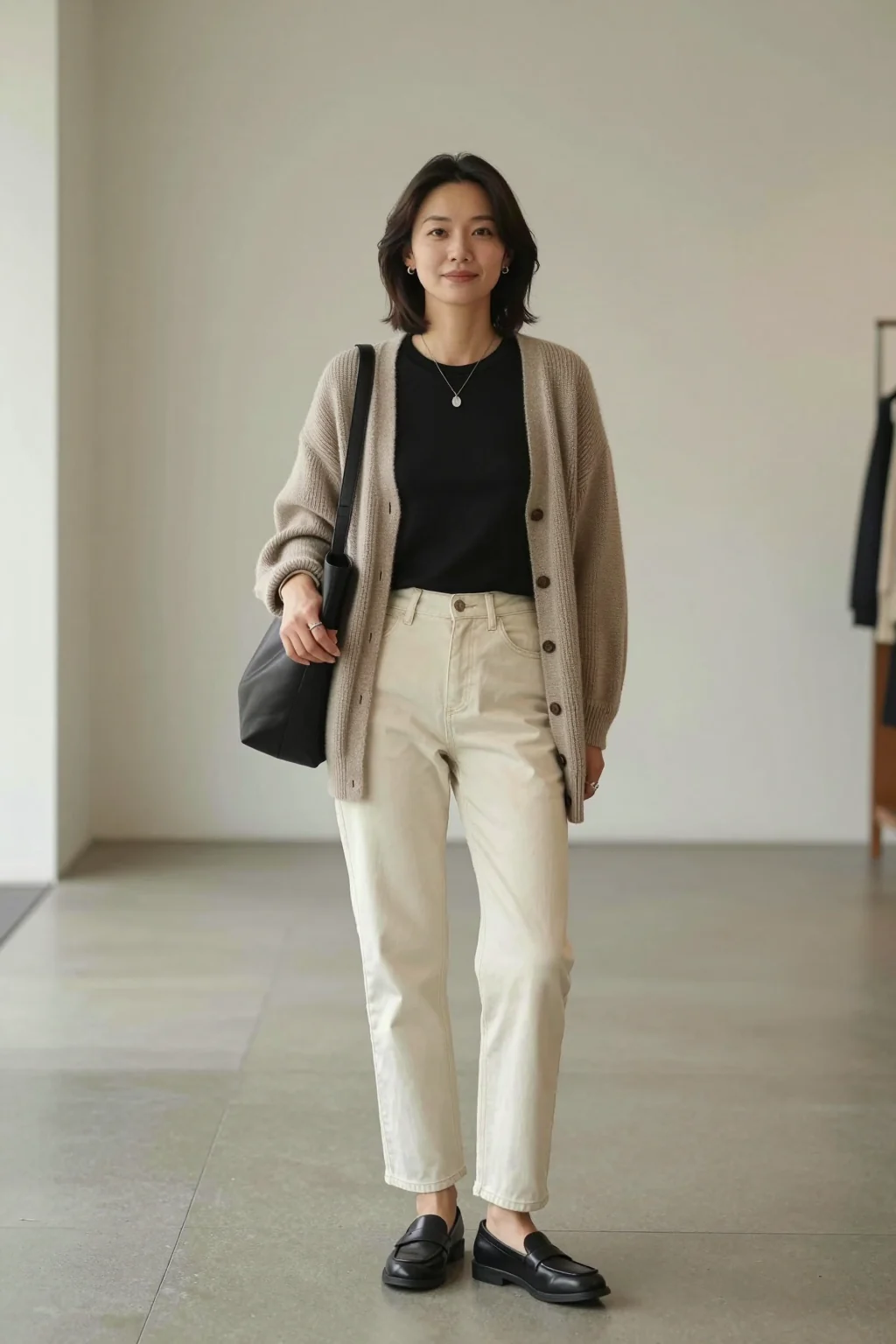 Soft Autumn Capsule Wardrobe
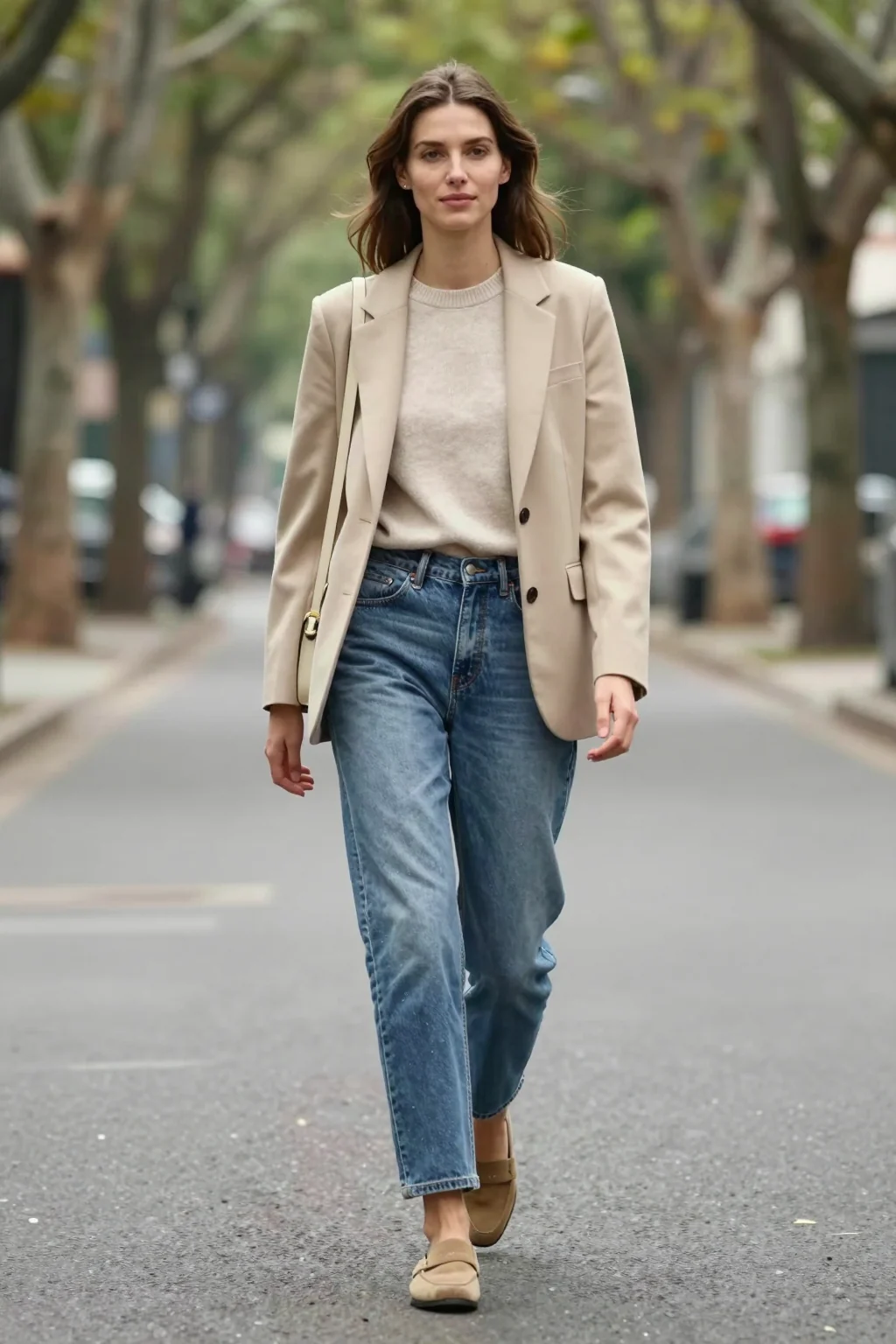 True Summer Capsule Wardrobe
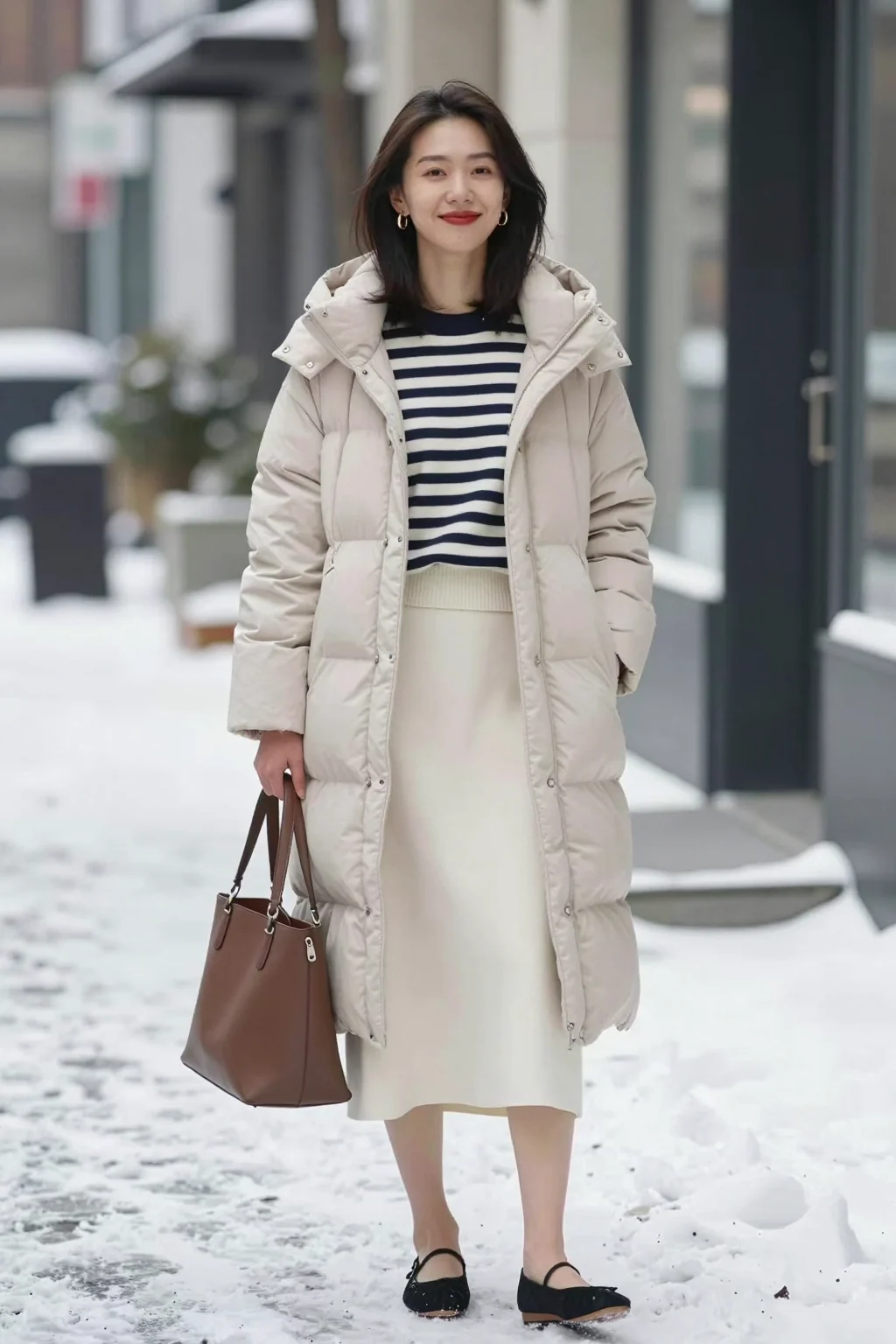 Winter Travel Capsule Wardrobe
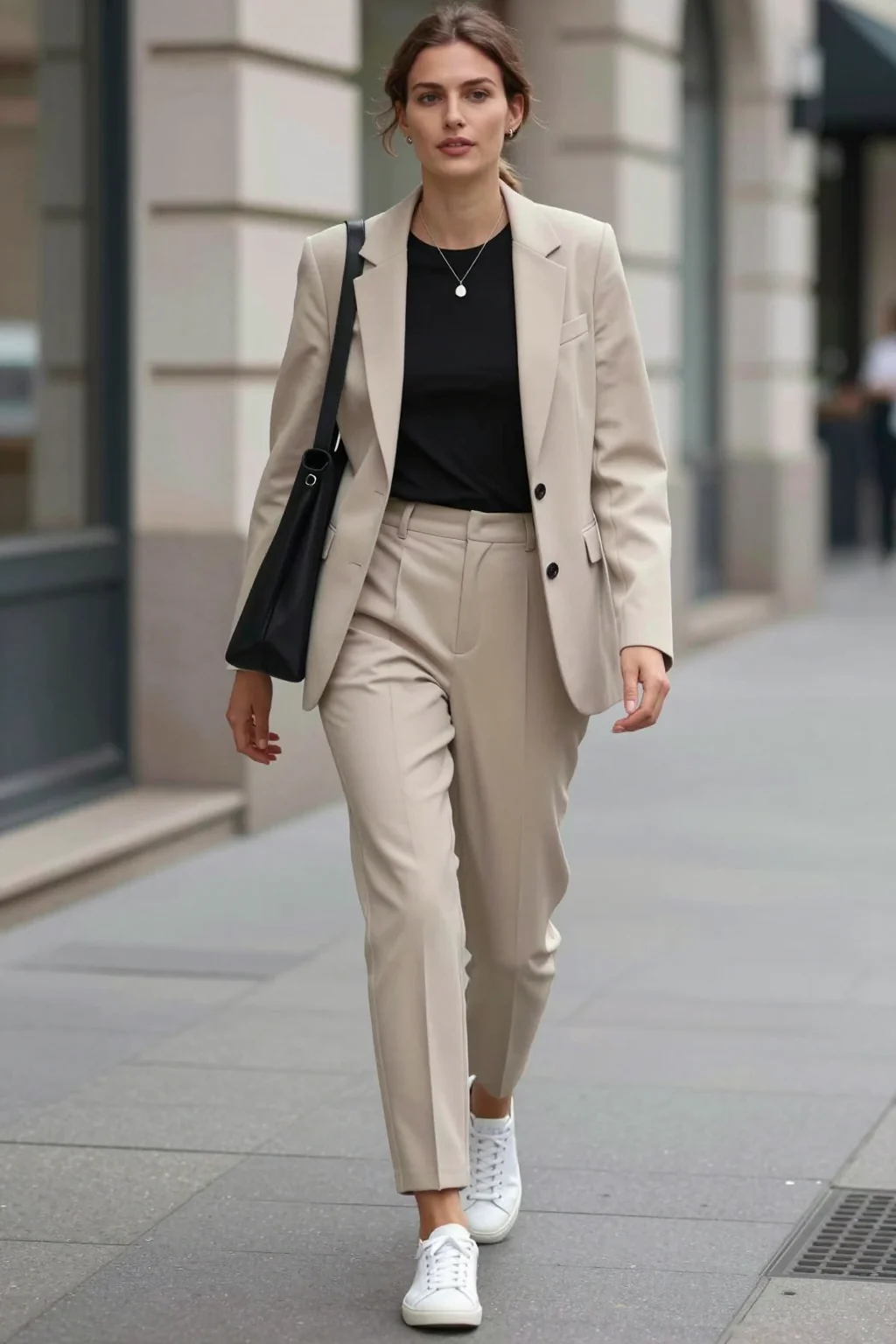 Travel Capsule Wardrobe Summer
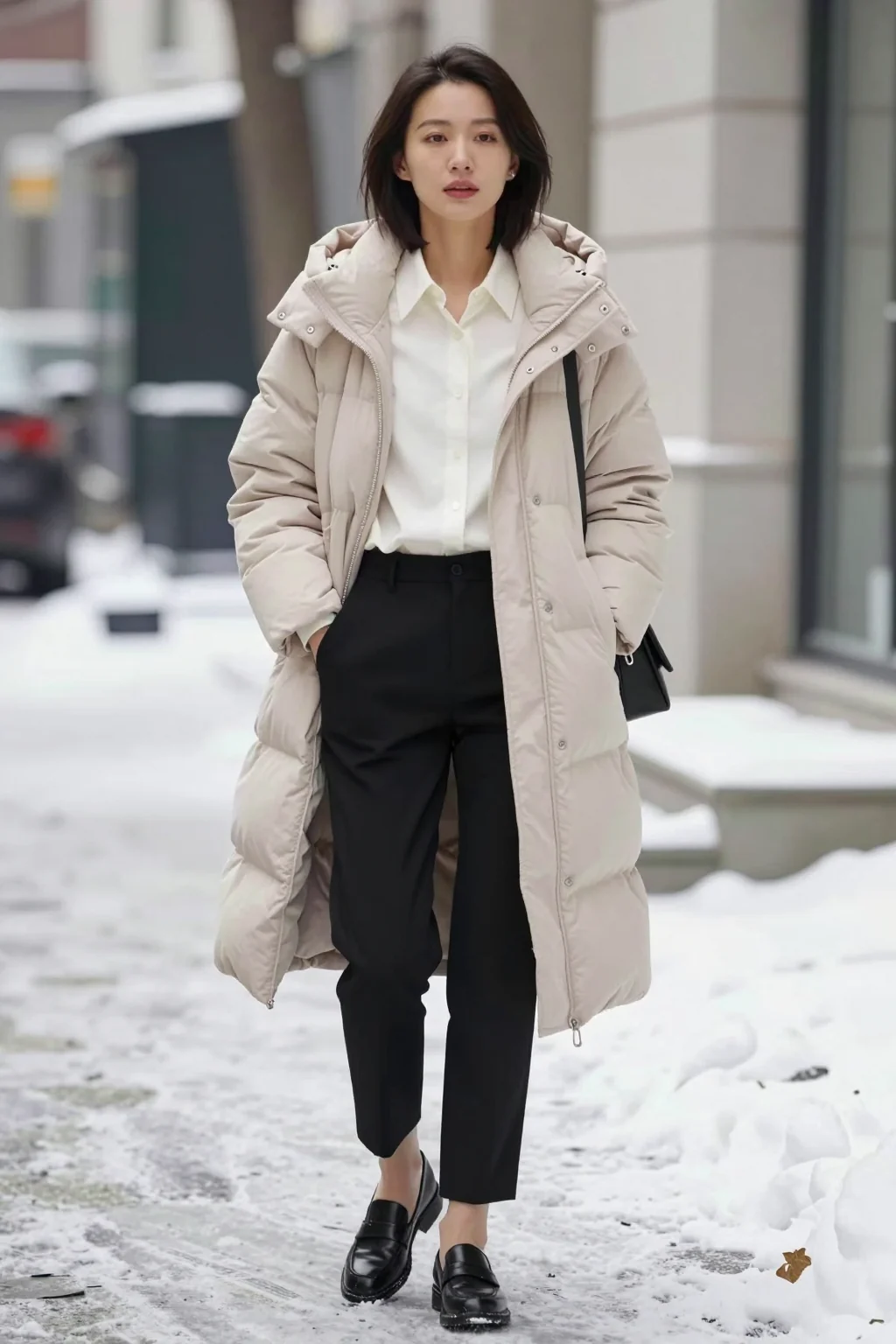 Old Money Outfits Women Winter Elegant
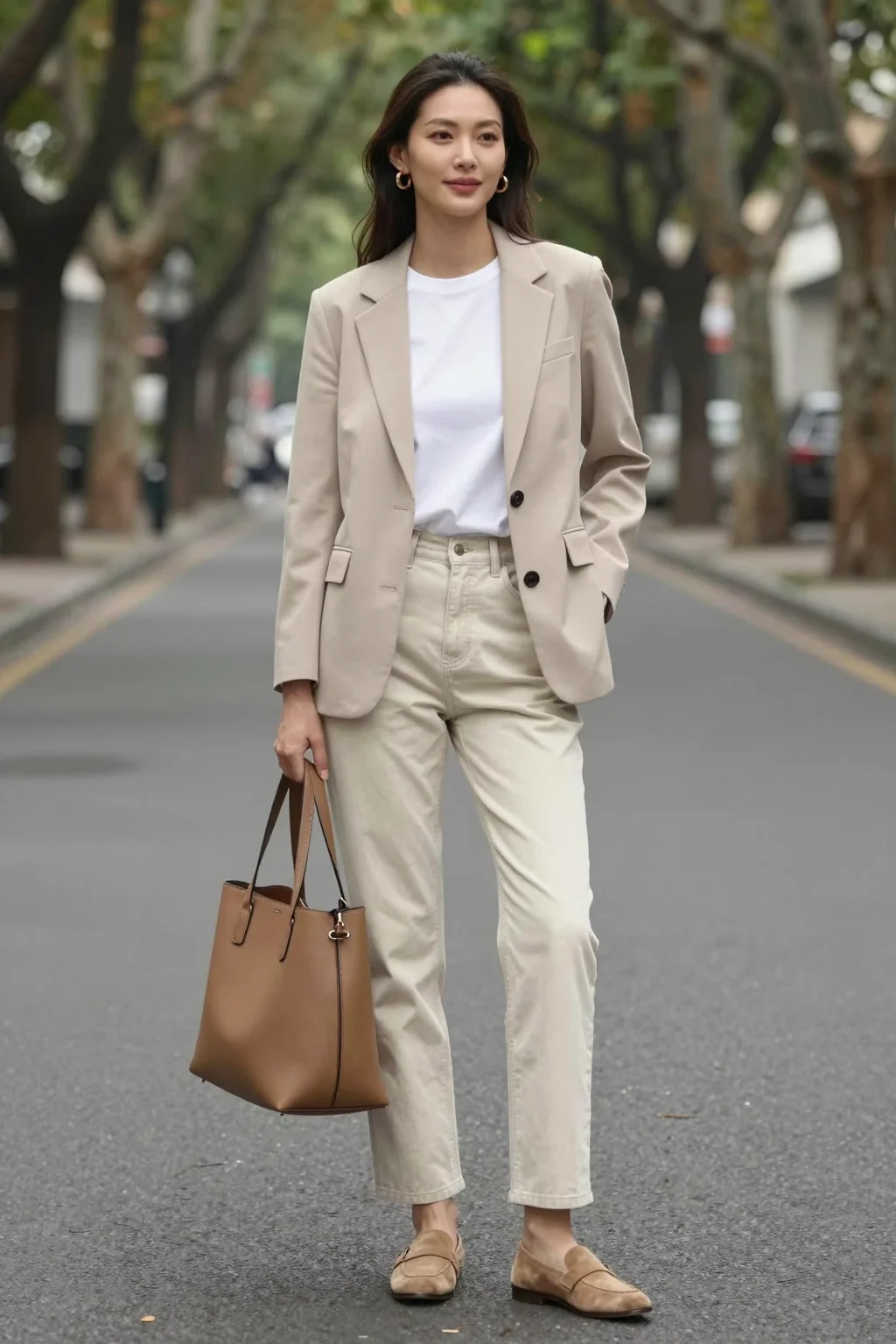 Vacation Capsule Wardrobe
Keep exploring
Related guides
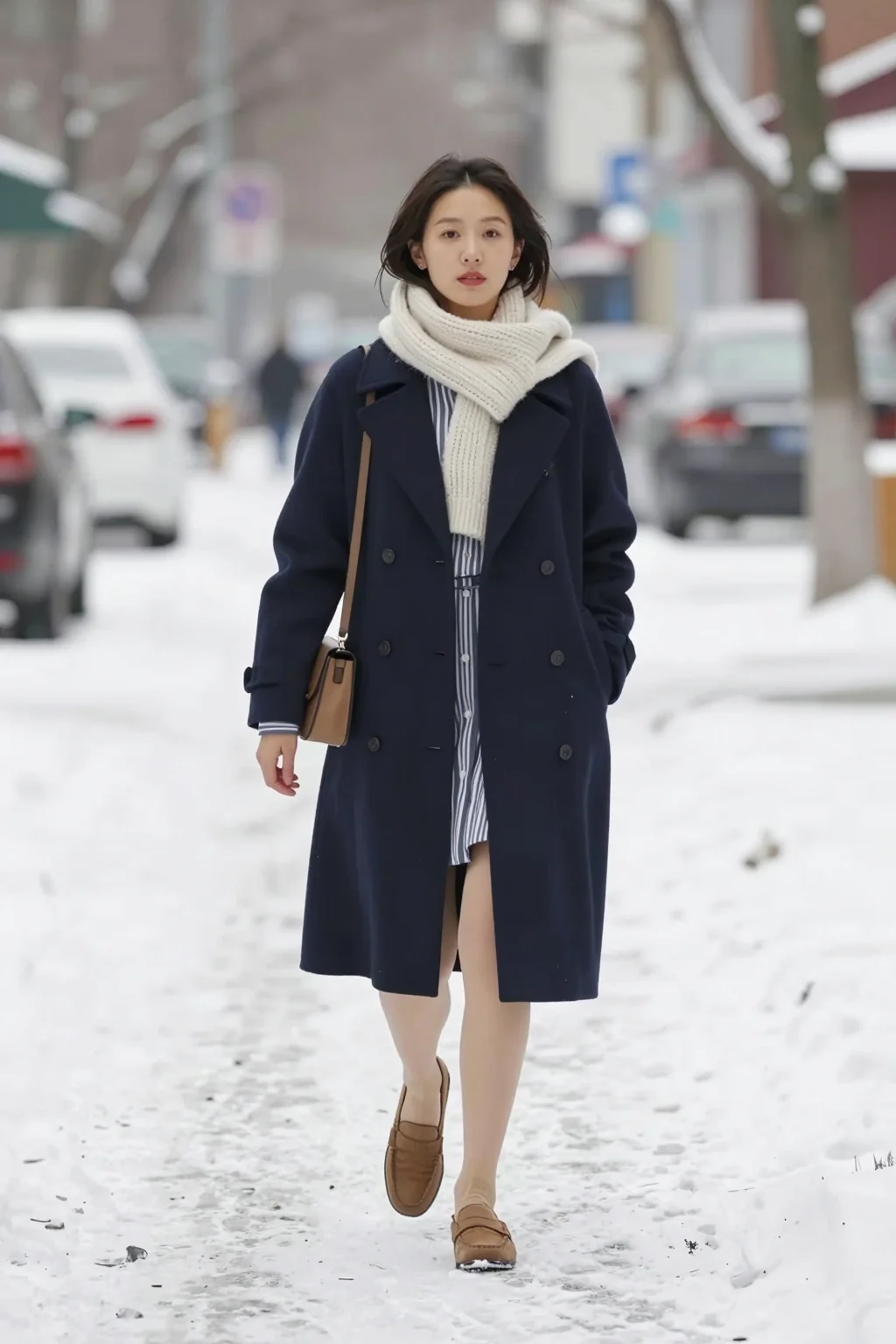 Seasonal & travel
The seasonal winter collection emphasizes heavier coats and boots for sustained cold, while spring capsules use lighter layers you can remove as temperatures rise.
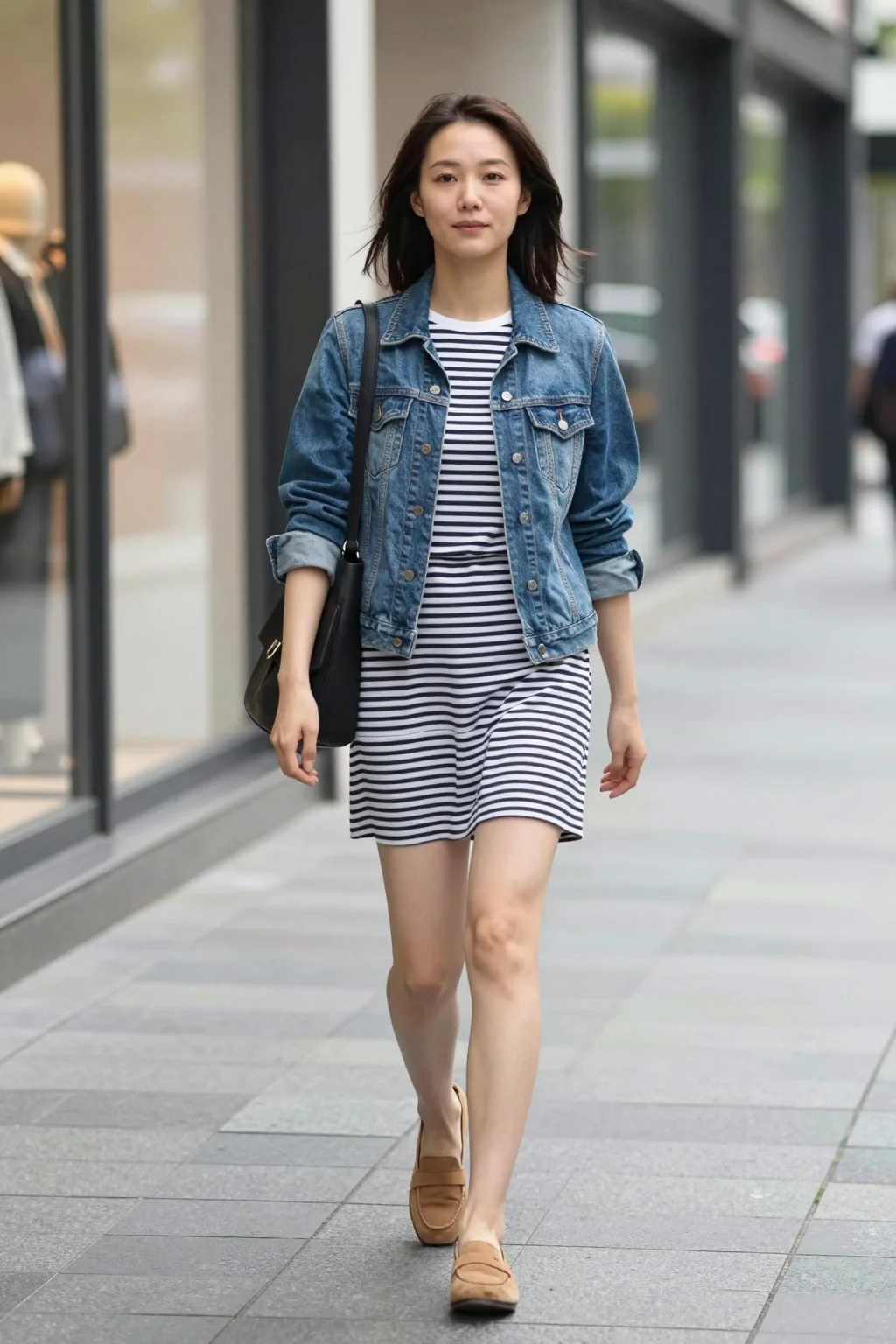 Casual
 references include more relaxed fits and varied accessories, where this capsule focuses on coordinated layers and a smaller repeatable wardrobe.
Questions
How many pieces should a spring capsule wardrobe have?
Start with enough to cover your laundry cycle and the temperature swings you actually face. Add a piece when a real gap appears rather than working toward a specific number that may leave you short of appropriate clothes.
Can I use my winter coat in a spring capsule?
You can if its weight suits the conditions, but a lighter trench or denim jacket often works better when afternoon warmth makes a heavy coat uncomfortable to carry. Test the coat through a full day before relying on it.
What colors work best for a spring capsule wardrobe?
Choose colors that coordinate with your existing pieces and suit your preferences. Ivory, navy, sage, and oatmeal connect easily, but you can substitute another neutral or add a color you already wear frequently.
How do I pack a spring capsule for travel?
Check the forecast and plan for layering rather than packing separate outfits for every temperature. Bring one outer layer, two or three tops, one or two bottoms, and shoes that suit your activities, allowing pieces to repeat across days.
Generated references, not tested products. How shopping links work.